
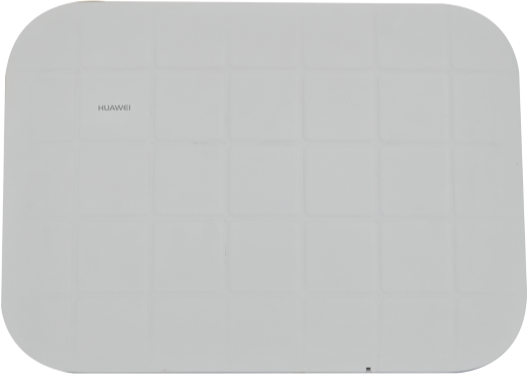
AP4050DN-HD

- 763 412 7282
- +86 010 69614620
AP4050DN-HD Overview
Aim the directional coverage at the seating area
The HD model combines two spatial streams with an integrated directional antenna. Huawei gives a 30-degree beamwidth and antenna gains of 13 dBi on 2.4 GHz and 10 dBi on 5 GHz. Its product characteristics identify indoor high-density stadiums as an intended application. These antenna figures do not establish an exact coverage distance or capacity in a venue. Review mounting direction, client positions and neighbouring AP interference before choosing the installation point.
Keep GE0 input and GE1 output on separate design lines
GE0/PoE_IN is a 10/100/1000M Ethernet connection that accepts PoE. GE1/PoE_OUT is a second 10/100/1000M connection which can supply downstream devices. The characteristics also describe link aggregation and traffic load balancing across the dual Ethernet interfaces. Those functions require the intended network configuration; the two connectors alone do not prove that a delivered deployment uses aggregation. Specify the downstream device and power arrangement separately, without treating the AP consumption figure as a PoE output budget.
Use the consumption entry for the selected input mode
The hardware chapter lists 12 V DC ±10% and IEEE 802.3af/at PoE input. Maximum AP consumption is 11.8 W in 802.3af PoE or DC mode and 13.9 W in 802.3at PoE mode. The latter figure explicitly excludes the output power of PoE_OUT. Huawei also qualifies actual maximum consumption by local laws and regulations. Confirm the upstream power source and downstream supply requirements on the quote; do not interpret 13.9 W as total demand when an output device is connected.
Compare channel rates with the actual client population
AP4050DN-HD provides 802.11ac Wave 2 MU-MIMO service on 2.4 GHz and 5 GHz simultaneously. The radio table gives 802.11n channel rates of 6.5–400 Mbit/s and 802.11ac Wave 2 rates of 6.5–867 Mbit/s. These supported link rates differ from application throughput. Huawei lists up to 512 users for each of Fit, Fat and cloud modes, while warning that the actual number depends on the environment. The ceiling and the 16 VAPs per radio limit require a deployment-specific load assessment.
Check the indoor enclosure and elevated-site conditions
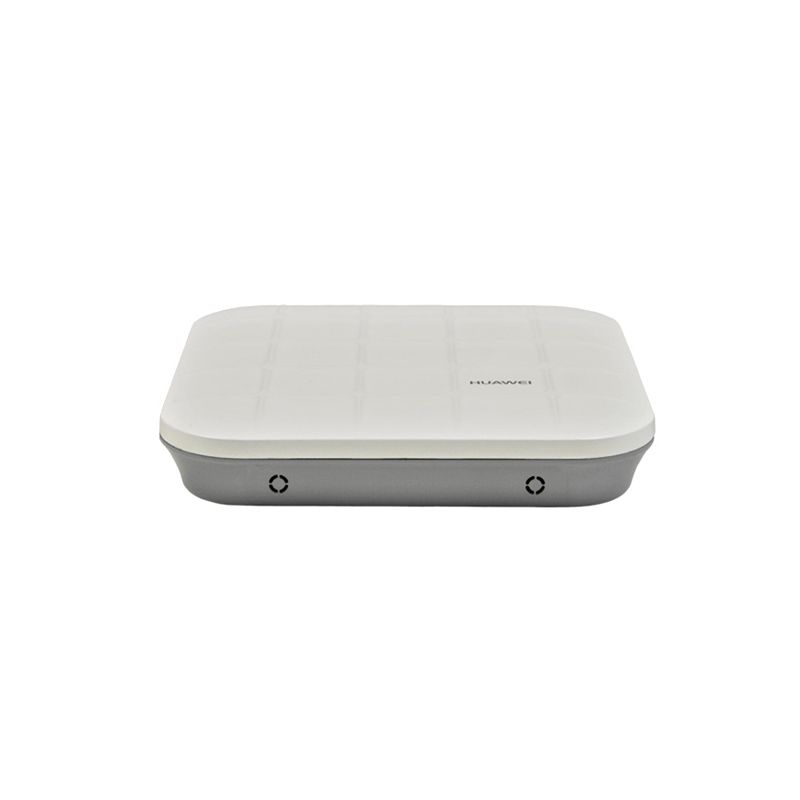
The reference enclosure measures 65 × 334 × 240 mm in height, width and depth and weighs 1.5 kg. IP41 and 5–95% non-condensing operating humidity are indoor installation references, rather than weather-exposed approval. At −60 to 1800 m, the operating range is −10°C to +50°C. Between 1800 and 5000 m, the upper limit decreases by 1°C for each 300 m rise. Account for the local room temperature and altitude together.
Record management mode and country settings at acceptance
Huawei supports Fat, Fit and cloud operating modes. Request the intended controller or cloud management arrangement and the actual delivered software. Its channel-count example uses China and is explicitly country-dependent. The official hardware chapter additionally warns that units delivered to the USA have a fixed country code and identifies radar-interference ranges. Confirm the destination-specific radio configuration instead of carrying a channel plan over from another country. Use the console and the documented LED state table for commissioning; a steady green startup indicator alone does not confirm that client service is running.
Document/Firmware Download
AP4050DN-HD Specification
| Exact model | AP4050DN-HD |
| Radio design | 802.11ac Wave 2; 2 × 2 MIMO; two spatial streams; simultaneous 2.4/5 GHz MU-MIMO |
| Directional antenna | Built-in dual-band; 30-degree beamwidth; 13 dBi at 2.4 GHz, 10 dBi at 5 GHz |
| Ethernet port roles | GE0/PoE_IN and GE1/PoE_OUT; each 10/100/1000M |
| Dual-port functions | Link aggregation and traffic load balancing; actual configuration to confirm |
| Power input | IEEE 802.3af/at PoE or 12 V DC ±10% |
| AP maximum consumption | 11.8 W in 802.3af/DC; 13.9 W in 802.3at excluding PoE_OUT output; locally qualified |
| Dimensions H × W × D | 65 × 334 × 240 mm |
| Reference weight | 1.5 kg |
| Supported channel rates | 802.11n: 6.5–400 Mbit/s; 802.11ac Wave 2: 6.5–867 Mbit/s; not application throughput |
| User and VAP reference limits | ≤512 users in Fit/Fat/cloud, environment-dependent; 16 VAPs per radio |
| Indoor environment | IP41; 5–95% humidity, non-condensing |
| Temperature and altitude | −10 to +50°C at −60–1800 m; upper limit decreases 1°C per 300 m at 1800–5000 m |
| Management and maintenance | Fat/Fit/cloud modes; console for configuration; actual software to confirm |
| Destination radio rules | Country-dependent channel counts; USA delivered units have fixed country code |
| Quoted scope | Original manufacturer appearance reference; power adapter, mounting hardware, downstream power and software to confirm |
AP4050DN-HD Warranty
 | Product Quotation |  | Condition and Packaging |
 | Return Eligibility |  | Returns and Replacement |
 | Shipping Arrangements |  | Warranty Terms |
AP4050DN-HD FAQ
What is AP4050DN-HD?
AP4050DN-HD is a HUAWEI AP4000 Series Access Points product supplied by YYST Global for enterprise IT procurement and infrastructure projects.
What radio design is listed for AP4050DN-HD?
For AP4050DN-HD, the manufacturer specification lists radio design as 802.11ac Wave 2; 2 × 2 MIMO; two spatial streams; simultaneous 2.4/5 GHz MU-MIMO.
What directional antenna is listed for AP4050DN-HD?
For AP4050DN-HD, the manufacturer specification lists directional antenna as Built-in dual-band; 30-degree beamwidth; 13 dBi at 2.4 GHz, 10 dBi at 5 GHz.
What interfaces and ports does AP4050DN-HD provide?
For AP4050DN-HD, the manufacturer specification lists ethernet port roles as GE0/PoE_IN and GE1/PoE_OUT; each 10/100/1000M.
Is AP4050DN-HD available from YYST Global?
Contact YYST Global to confirm availability for AP4050DN-HD, the required quantity, exact configuration, delivery destination and current lead time before ordering. A product listing does not confirm current inventory.
Related products
Related AP4050DN-HD
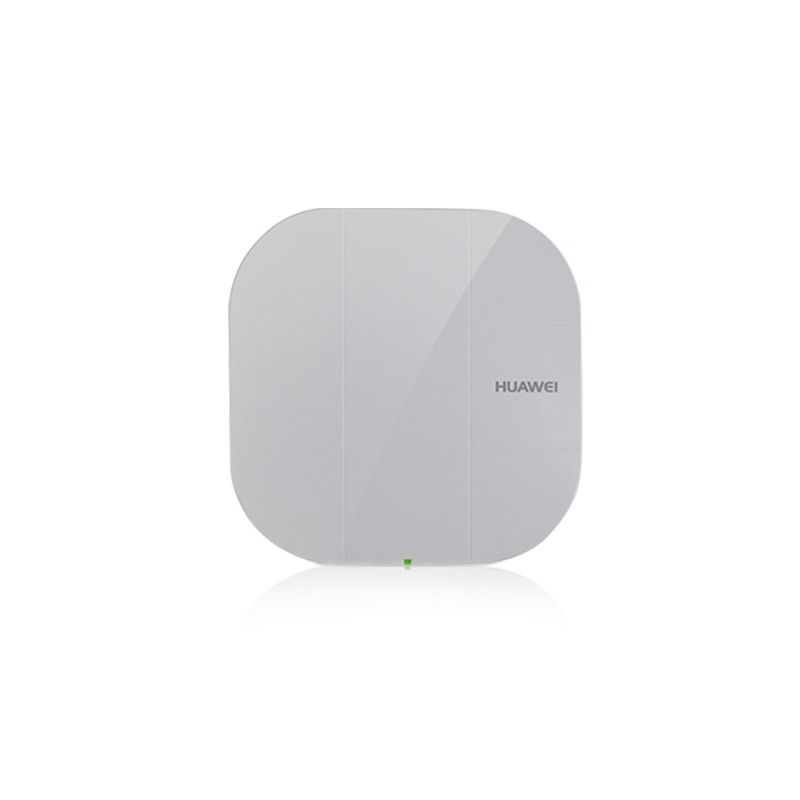
AP4050DN Huawei AP4000 Series Indoor 2X2 Dual Band Access Points
AP4050DN has the following distinguishing entries in the manufacturer specification. Radio port/built-in antenna: Built-in omnidirectional antenna, dual-band, 2x2 MIMO. Radio power (Max): two.4G: 23dBm(Max) 5G: 23dBm(Max) (note: this is MIMO total radio power, the same as: two.4G: 20dBm/chain(Max) 5G : 20dBm/chain(Max)). Ethernet ports: GE(RJ45) x one, 1000base-T, 10M/100M/1000M auto negotiation speed;. Power consumption of the device: twelve.1W. MIMO: 2x2Multi-input Multi-output, for example, four*four:four indicates that 4SU-4MU is supported..
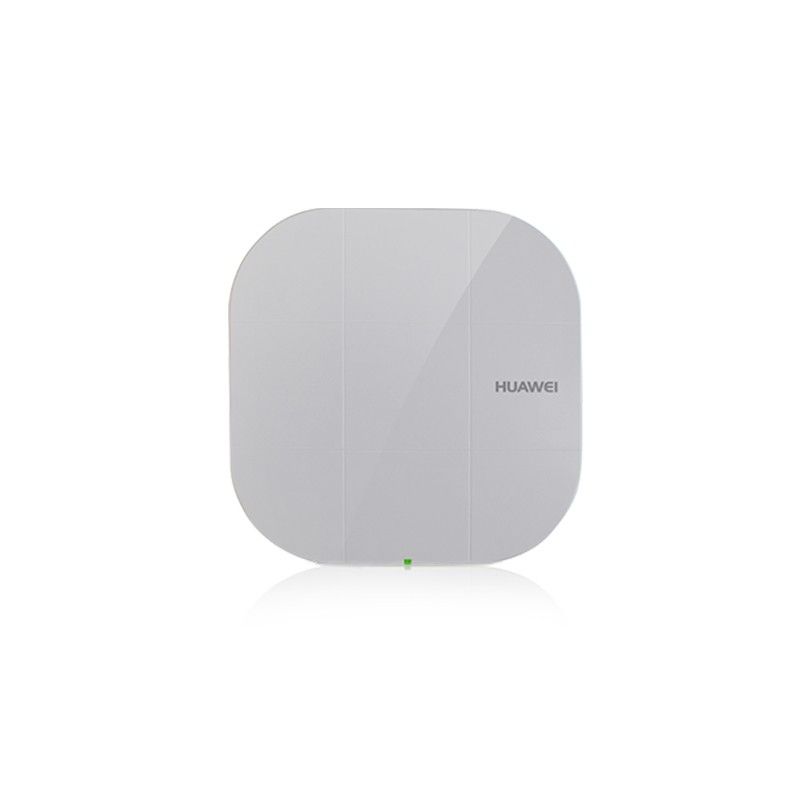
AP4050DN-S Huawei AP4000 Series Dual-band 802.11ac Wave 2 Access Point
AP4050DN-S PoE port surge protection: PoE interface: Differential mode (48 V-RTN), 0.5 kV (1.2/50 us, 42 ohm), B criterion; Common mode (eight pairs of cables-GND), 6 kV (1.2/50 us, 42 ohm), B criterion; Operating temperature: Operating temperature: -10~50℃ Storage temperature: -40~70℃; Humidity: 5%~95%.
AP4050DN-E Huawei AP4000 Series WiFi 5 2x2 MIMO Access Point
AP4050DN-E HUAWEI wireless networking hardware for campus WLAN projects. Contact YYST Global for stock, lead time and quote support.
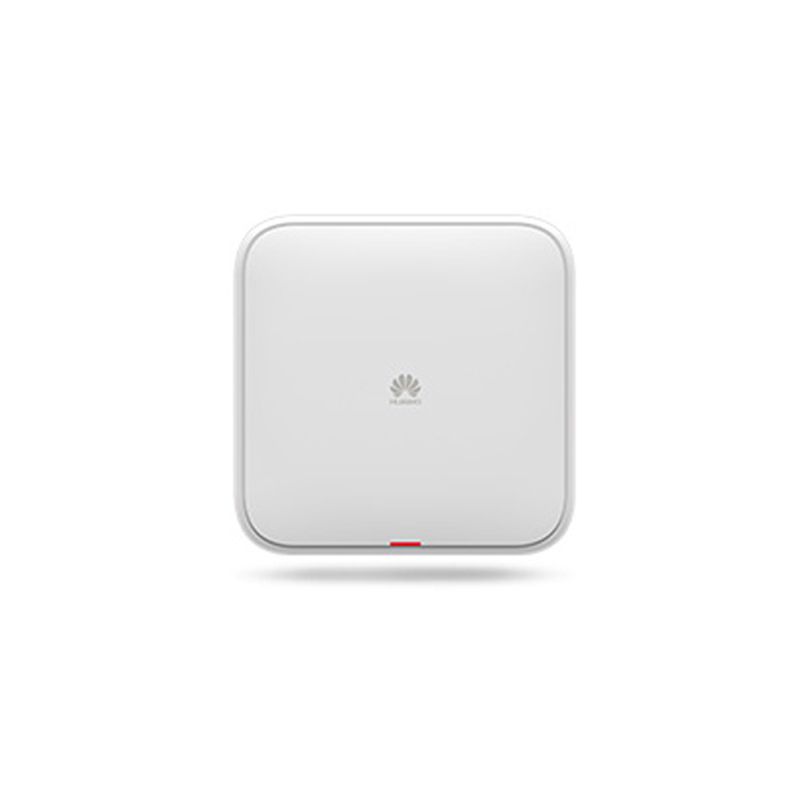
AP4050DE-M Huawei AP4000 Series 802.11ac Wave 2 Indoor Access Point
AP4050DE-M has the following distinguishing entries in the manufacturer specification. Radio port/built-in antenna: Built-in omnidirectional antenna, dual-band MIMO, two.4G/5G two+5G two. Radio power (Max): two.4G: 27dBm(Max) 5G: 27dBm(Max) (note: this is MIMO total radio power, the same as: two.4G: 24dBm/chain(Max) 5G : 24dBm/chain(Max)). Ethernet ports: GE(RJ45)*one, 10M/100M/1000M auto. Power consumption of the device: sixteen.40W. MIMO: two.4G:2x25G:2x2Multi-input Multi-output, for example, four*four:four indicates that 4SU-4MU is supported..
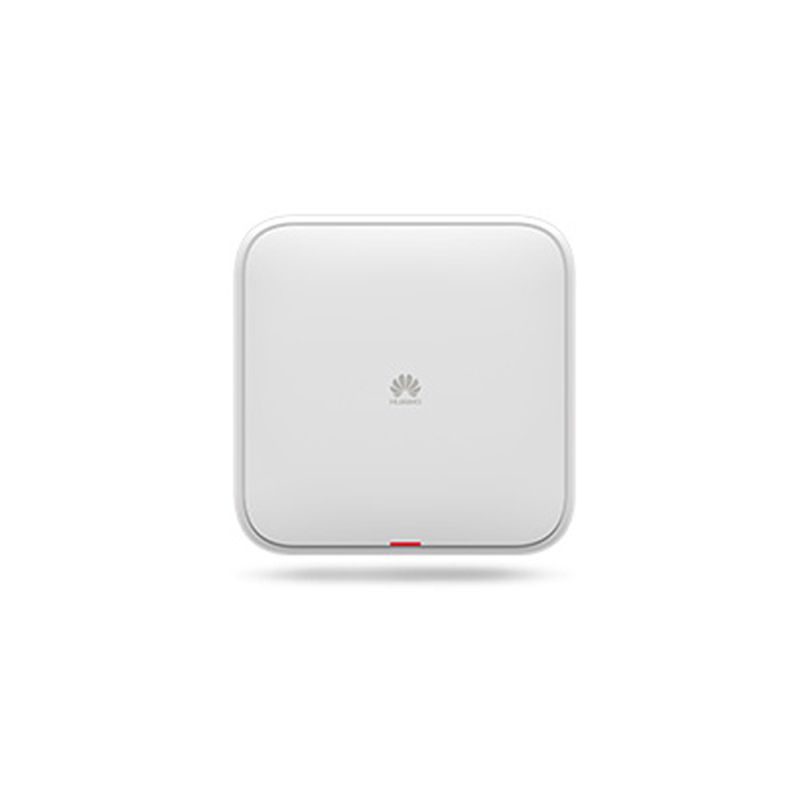
AP4051TN AP4050DN-HD Huawei AP4000 802.11ac Wave 2 Triple-Radio AP
AP4051TN HUAWEI wireless networking hardware for campus WLAN projects. Contact YYST Global for stock, lead time and quote support.
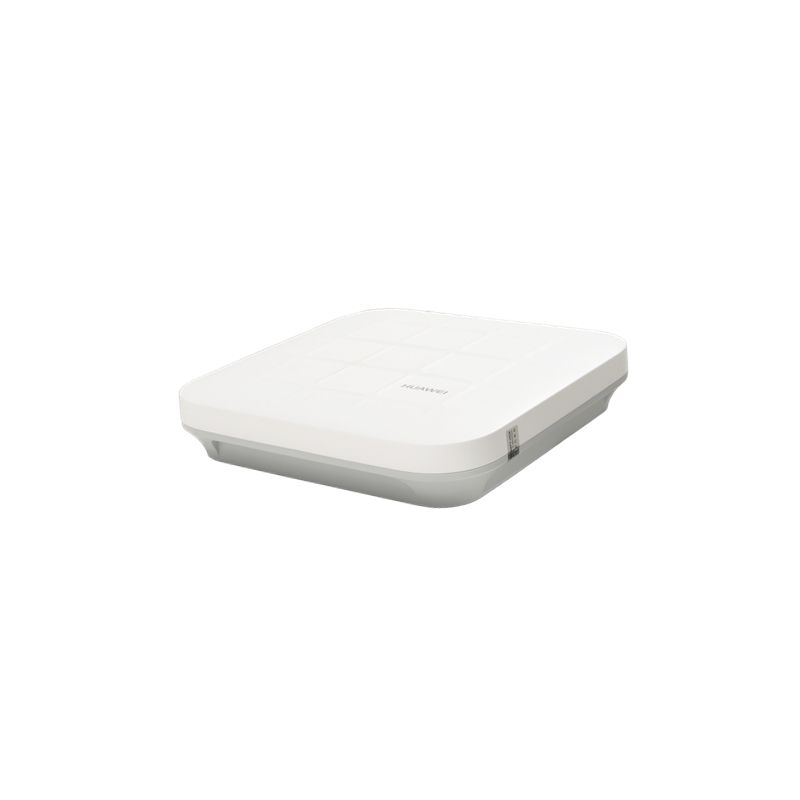
AP4030DN-E Huawei AP4000 Dual-band 802.11ac Access Point
Huawei AP4030DN-E is an indoor Wi-Fi 5 AP with 2x2 MIMO at 2.4 GHz, 3x3 at 5 GHz and two Gigabit ports. GE0 accepts PoE; 12 V DC has priority. Verify standalone versus adapter bundle.
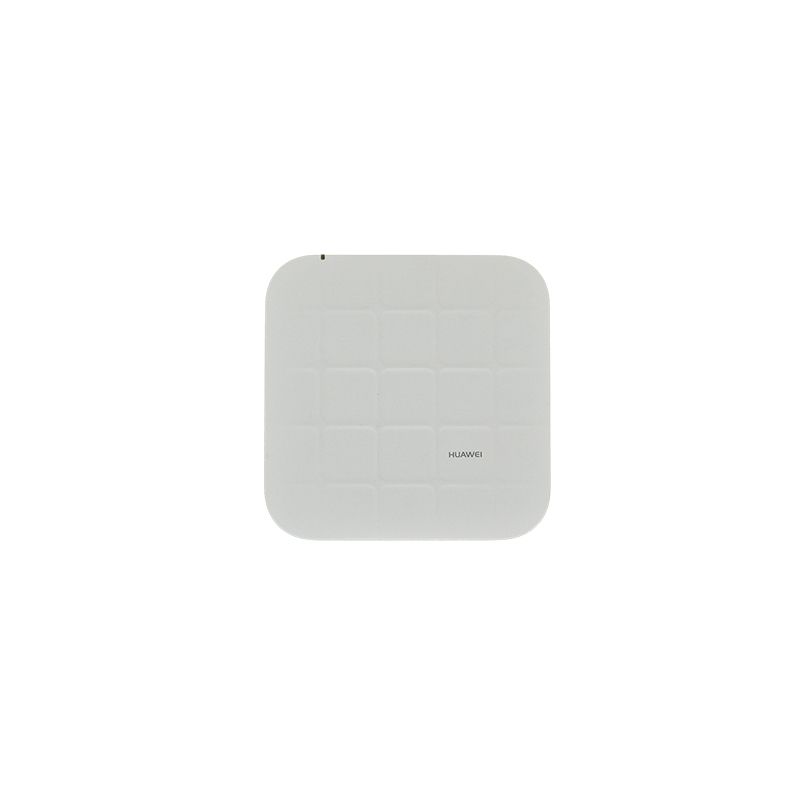
AP4030TN Huawei AP4000 Series Wi-Fi 5 2 x 2 MIMO Access Points
AP4030TN PoE port surge protection: PoE interface: Differential mode (48 V-RTN), 0.5 kV (1.2/50 us, 42 ohm), B criterion; Common mode (eight pairs of cables-GND), 6 kV (1.2/50 us, 42 ohm), B criterion; Operating temperature: Operating temperature: -10~45℃ Storage temperature: -40~70℃; Humidity: 5%~95%.
AP4030DN Huawei AP4000 Series 802.11ac Wave 1 2x2 MIMO Access Point
AP4030DN PoE port surge protection: PoE interface: Differential mode (48 V-RTN), 0.5 kV (1.2/50 us, 42 ohm), B criterion; Common mode (eight pairs of cables-GND), 2/4 kV (1.2/50 us, 42 ohm), B/R criterion; Operating temperature: Operating temperature: 0~45℃ (Declare: -10 to +50℃) Storage temperature: -40~70℃; Humidity: 5%~95%.