
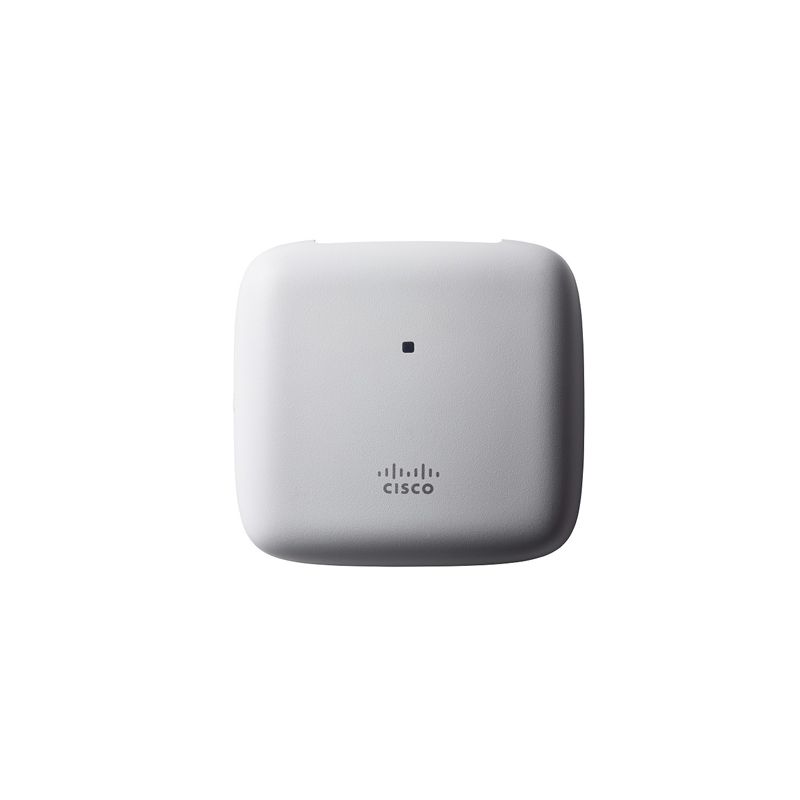
AIR-AP1815I-R-K9C Cisco 1815I 802.11ac, Wave 2 Mobility Express AP

- 763 412 7282
- +86 010 69614620
AIR-AP1815I-R-K9C Overview
AIR-AP1815I-R-K9C exact order identity
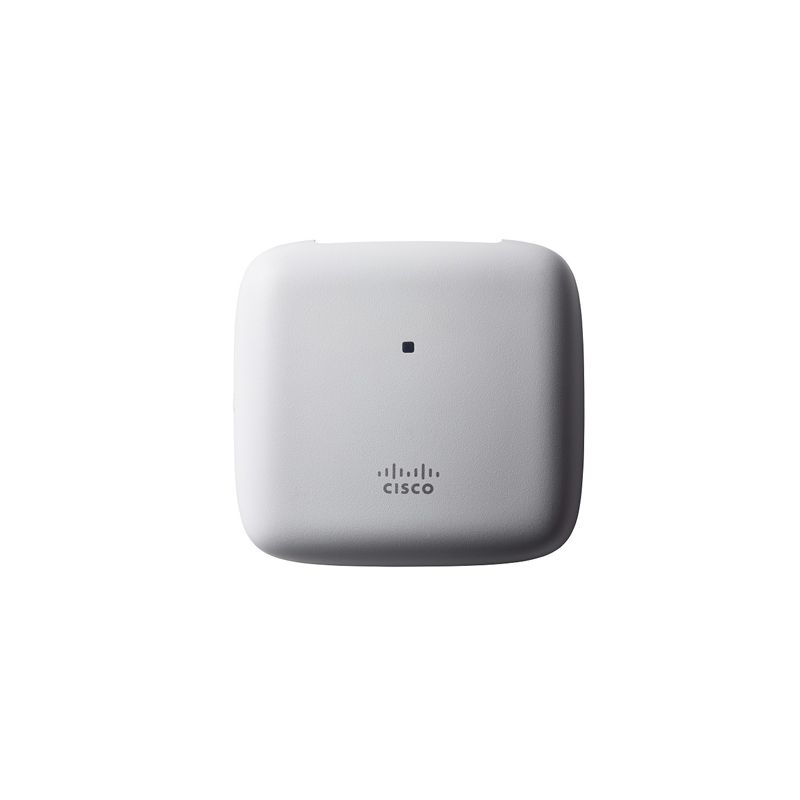
AIR-AP1815I-R-K9C is an indoor Cisco Aironet 1815i 802.11ac Wave 2 access point. It uses internal antennas only, supports concurrent 2.4-GHz and 5-GHz radios with 2x2 MIMO and two spatial streams, and provides one 10/100/1000 Ethernet uplink with 802.3af/at PoE.
Software order boundary
Cisco identifies K9C as the configurable order whose default software option is Mobility Express. Used stock may have been converted or reimaged, so retain the running image, current role, configured country, management backup and recovery result.
R regulatory-domain evidence
The domain letter is an ordering identifier, not a country name. Require a fresh compliance lookup before an R-domain unit is reassigned to another country, subsidiary or managed service site.
Use cross-border reassignment as the R-domain risk scenario. The asset record should prevent release until the new country has a dated Cisco approval and the target controller configuration is reviewed. Keep the former and new destination evidence as separate events. Inventory ownership or physical proximity does not make a regulatory-domain unit transferable between countries.
Integrated antenna and installation boundary
Cisco documents two integrated 2.4-GHz antennas and two integrated 5-GHz antennas. There is no external-antenna conversion in this PID. Reconcile AIR-AP-BRACKET-8 or other selected mounting hardware and verify the final wall or ceiling placement against the RF survey.
Lifecycle decision
Cisco lists this product family as end of sale, identifies Catalyst 9105AX as the migration direction and publishes 30 April 2027 as the last support date. Available inventory does not extend that date.
Deployment evidence worksheet
Controller join evidence
Stage the access point on the controller release intended for production. Retain the controller model, software version, discovery path, authorization method and first successful CAPWAP join. Confirm that configuration download completes and that both radios reach an expected operational state. Remove any temporary staging authorization before handover. This evidence separates an orderable access point from a unit that has actually been proven compatible with the planned controller environment. For the 1815i, retain controller discovery, software download and final join evidence beside the exact serial.
Software lifecycle file
Record the controller release approved for this unit, the source used to verify support, the last tested date and the owner for software advisories. Available hardware does not prove compatibility with a current or future controller train. Review Cisco support information before every expansion or replacement. The lifecycle file should also state when this Aironet generation must leave service and which surrounding dependencies need migration. The Aironet 1815 lifecycle record governs software and replacement planning even when hardware remains available.
Controlled spare policy
If purchased as a spare, name the protected site population, compatible controller image, storage location, storage conditions and periodic power-on test. Confirm that regulatory token, antenna architecture and mounting parts match the population it protects. Set a final-use review date. A stored unit can become unsuitable while untouched because controller software, country approval, certificates or network architecture may change. A spare must be proven against the protected controller image, regulatory identity, bracket and PoE environment.
Authentication path test
Commission representative clients through association, authentication, address assignment, DNS and application reachability. Preserve the identity policy used, test client type, result and relevant controller logs. An access point that joins its controller has not yet demonstrated the user path. Repeat the test after any controller, certificate or authentication-service change and retain failures separately from RF or switch-port evidence. Test association, authentication, address assignment, DNS and application reachability after the AP is operational.
Change-window controls
Document staging evidence, production window, installer, rollback owner and measurable success criteria. Preserve the prior controller or AP state needed for recovery. After the change, close temporary credentials, compare authentication, monitoring and RF results with the approved baseline, and record the final decision. The work is not complete merely because the unit powers on or appears in a controller list. Rollback must restore controller assignment, country state, switch port and the previously accepted RF service.
Capacity observation
Define the expected concurrent clients, application mix, airtime utilization and channel-width assumptions for this location. After commissioning, capture radio utilization, retry behavior and representative throughput during a meaningful load period. Compare the observation with the survey design and state any shortfall. A peak link rate from a data sheet is not a site capacity result and should not replace measured operating evidence. Use measured airtime, retries and client behavior rather than a published PHY rate as site-capacity evidence.
Operational log retention
Store the initial controller events, switch-port state, radio assignment, channel list and client test results with a consistent asset identifier. Define how long commissioning evidence is retained and who can retrieve it. A later firmware, controller or RF change should add a new dated observation rather than overwrite the original. The resulting history supports lifecycle decisions and distinguishes a new regression from the accepted baseline. Keep the first accepted power, wired, radio and client results as a baseline for future changes.
Handover completeness
The handover package should include exact order identity, destination approval, serial record, controller evidence, switch port, mounting or antenna record, user-path tests and named operational owners. Review the package with the receiving team and list unresolved exceptions. A unit is not operationally accepted when important evidence remains only in installer notes, email attachments or an unowned temporary dashboard. Handover should include exact PID, serial, compliance lookup, software role, mounting record and lifecycle owner.
Related Aironet 1815i order records
- AIR-AP1815I-E-K9 - compare software order and regulatory-domain evidence.
- AIR-AP1815I-F-K9 - compare software order and regulatory-domain evidence.
- AIR-AP1815I-E-K9C - compare software order and regulatory-domain evidence.
Official evidence: Cisco 1815i data sheet; Cisco 1815i getting started guide; Cisco Aironet 1815 lifecycle bulletin; Cisco support page; and Cisco compliance lookup.
AIR-AP1815I-R-K9C Specification
| Exact model / SKU | AIR-AP1815I-R-K9C |
| Exact Cisco PID | AIR-AP1815I-R-K9C |
| Product family | Cisco Aironet 1815i |
| Wireless design | 802.11ac Wave 2; concurrent 2.4 GHz and 5 GHz; 2x2 MIMO with two spatial streams |
| Antenna | Two integrated 2.4-GHz antennas and two integrated 5-GHz antennas |
| Network and power | One 10/100/1000 Ethernet uplink with 802.3af/at PoE |
| Order form | K9C order with default Mobility Express software |
| Regulatory-domain token | R |
| Country approval | Verify current approval through Cisco's compliance lookup |
| Lifecycle | End of sale; last support 2027-04-30 |
| Migration family | Cisco Catalyst 9105AX |
| Source match | AIR-AP1815I-R-K9C: Aironet 1815i, K9C order with default Mobility Express software, regulatory-domain token R |
| Official manufacturer reference | Cisco Aironet 1815i official data sheet |
AIR-AP1815I-R-K9C Warranty
 | Product Quotation |  | Condition and Packaging |
 | Technical Support Enquiry |  | Returns and Replacement |
 | Shipping Arrangements |  | Warranty Terms |
AIR-AP1815I-R-K9C FAQ
What is AIR-AP1815I-R-K9C?
AIR-AP1815I-R-K9C Cisco 1815I 802.11ac, Wave 2 Mobility Express AP is a CISCO Aironet 1815i Access Points product supplied by YYST Global for enterprise IT procurement and infrastructure projects.
What wireless design is listed for AIR-AP1815I-R-K9C?
For AIR-AP1815I-R-K9C, the manufacturer specification lists wireless design as 802.11ac Wave 2; concurrent 2.4 GHz and 5 GHz; 2x2 MIMO with two spatial streams.
What antenna is listed for AIR-AP1815I-R-K9C?
For AIR-AP1815I-R-K9C, the manufacturer specification lists antenna as Two integrated 2.4-GHz antennas and two integrated 5-GHz antennas.
What are the power requirements for AIR-AP1815I-R-K9C?
For AIR-AP1815I-R-K9C, the manufacturer specification lists network and power as One 10/100/1000 Ethernet uplink with 802.3af/at PoE.
Is AIR-AP1815I-R-K9C available from YYST Global?
Contact YYST Global to confirm availability for AIR-AP1815I-R-K9C, the required quantity, exact configuration, delivery destination and current lead time before ordering. A product listing does not confirm current inventory.
Related products
Related AIR-AP1815I-R-K9C
AIR-AP1815I-K-K9 Cisco Aironet 1815I 2x2:2 SS MU-MIMO Access Point
AIR-AP1815I-K-K9 is a Cisco Aironet 1815i indoor access point with integrated antennas, concurrent 2.4-GHz and 5-GHz 2x2 radios, two spatial streams, one Gigabit Ethernet PoE uplink, regulatory-domain token K and a controller-based K9 order.
AIR-AP1815I-T-K9 Cisco Aironet 1815I Controller-based Wifi 5 Wave 2 AP
AIR-AP1815I-T-K9 is a Cisco Aironet 1815i indoor access point with integrated antennas, concurrent 2.4-GHz and 5-GHz 2x2 radios, two spatial streams, one Gigabit Ethernet PoE uplink, regulatory-domain token T and a controller-based K9 order.
AIR-AP1815I-Z-K9C Cisco 1815I SS MU-MIMO AP with Mobility Express
AIR-AP1815I-Z-K9C is a Cisco Aironet 1815i indoor access point with integrated antennas, concurrent 2.4-GHz and 5-GHz 2x2 radios, two spatial streams, one Gigabit Ethernet PoE uplink, regulatory-domain token Z and a K9C order with default Mobility Express software.
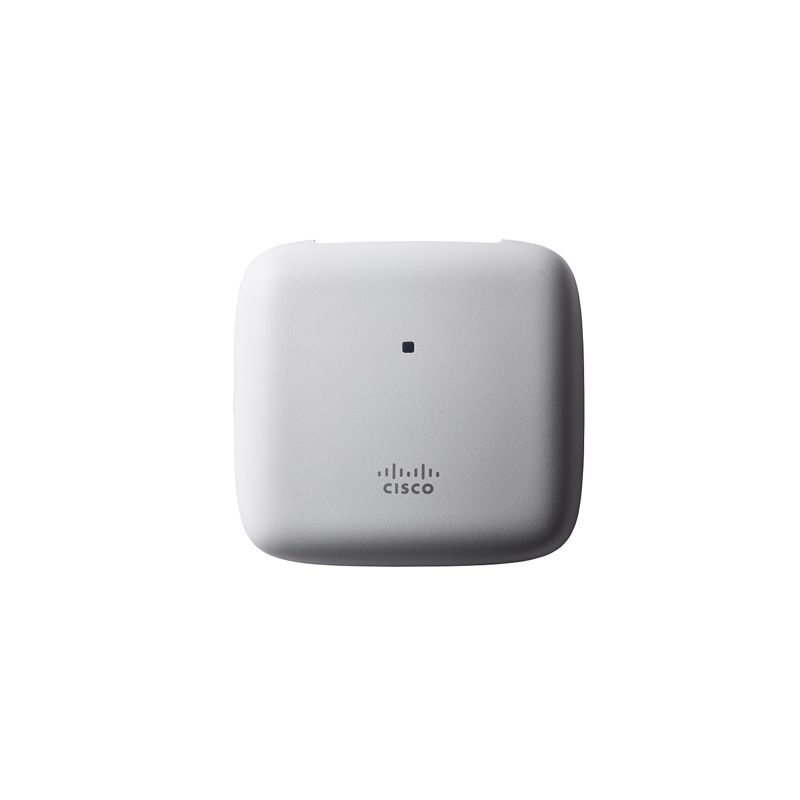
AIR-AP1815I-S-K9C Cisco Aironet 1815I MU-MIMO AP with Mobility Express
AIR-AP1815I-S-K9C is a Cisco Aironet 1815i indoor access point with integrated antennas, concurrent 2.4-GHz and 5-GHz 2x2 radios, two spatial streams, one Gigabit Ethernet PoE uplink, regulatory-domain token S and a K9C order with default Mobility Express software.
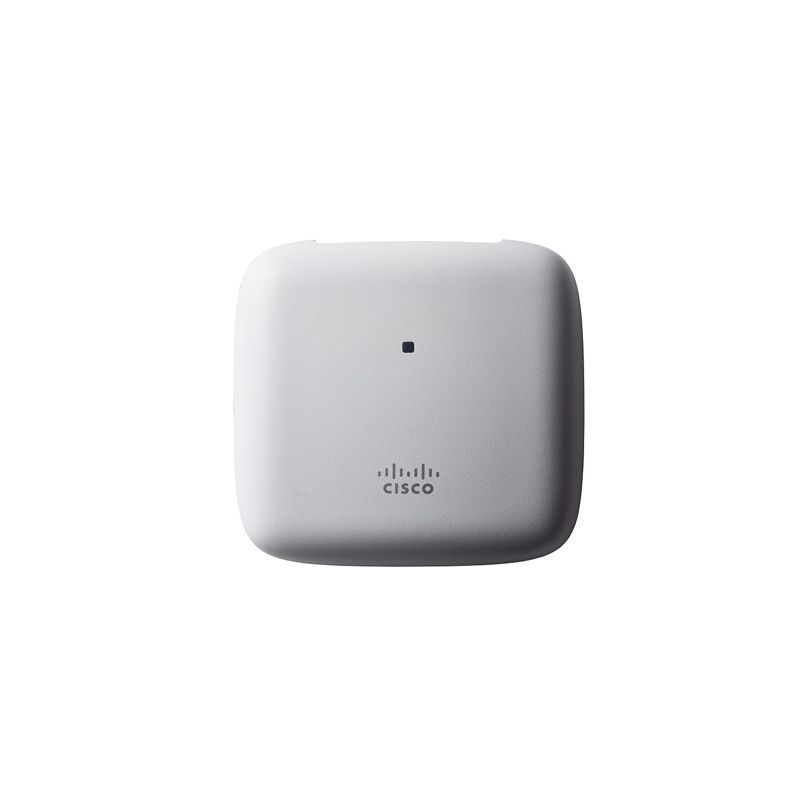
AIR-AP1815I-I-K9C Cisco Aironet 1815I 802.11ac Wave 2 Access Point
AIR-AP1815I-I-K9C is a Cisco Aironet 1815i indoor access point with integrated antennas, concurrent 2.4-GHz and 5-GHz 2x2 radios, two spatial streams, one Gigabit Ethernet PoE uplink, regulatory-domain token I and a K9C order with default Mobility Express software.
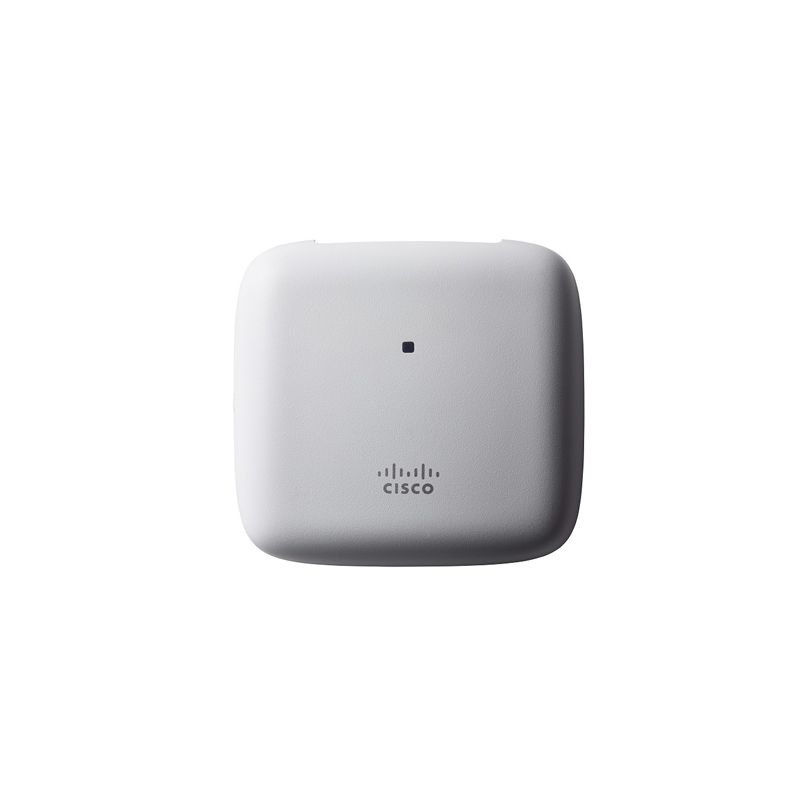
AIR-AP1815I-E-K9C Cisco Aironet 1815I Dual-band Mobility Express AP
AIR-AP1815I-E-K9C is a Cisco Aironet 1815i indoor access point with integrated antennas, concurrent 2.4-GHz and 5-GHz 2x2 radios, two spatial streams, one Gigabit Ethernet PoE uplink, regulatory-domain token E and a K9C order with default Mobility Express software.
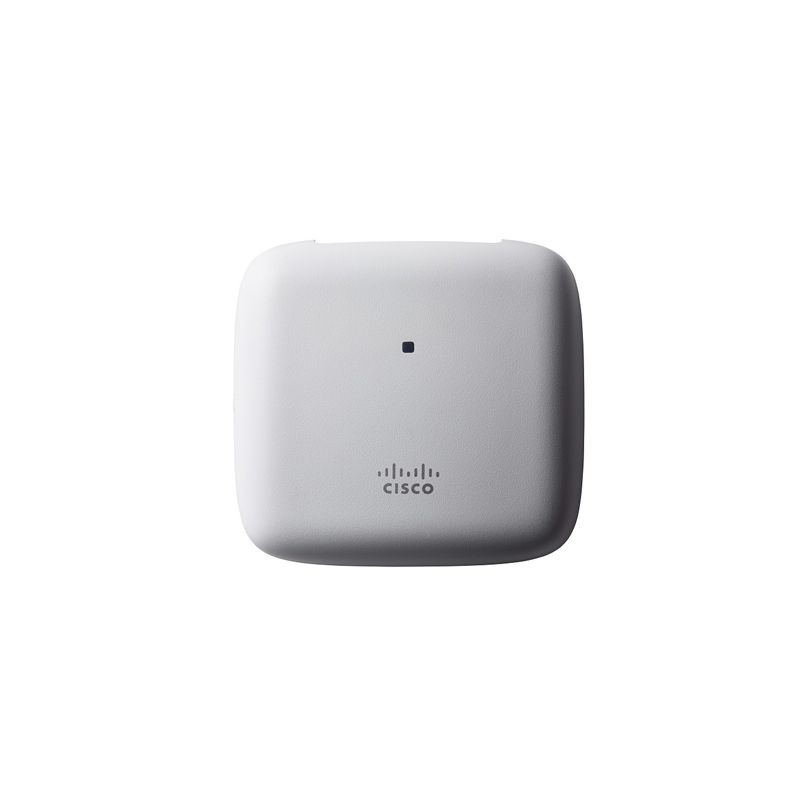
AIR-AP1815I-F-K9C Cisco 1815I 802.11ac, Wave 2 Mobility Express AP
AIR-AP1815I-F-K9C is the F-domain Cisco Aironet 1815i access-point order with default Mobility Express software. It has internal antennas, concurrent dual-band 2x2 radios and one Gigabit Ethernet PoE uplink.
AIR-AP1815I-F-K9 Cisco Aironet 1815I SS MU-MIMO WiFi 5 Access Point
AIR-AP1815I-F-K9 is a Cisco Aironet 1815i indoor access point with integrated antennas, concurrent 2.4-GHz and 5-GHz 2x2 radios, two spatial streams, one Gigabit Ethernet PoE uplink, regulatory-domain token F and a controller-based K9 order.