
AP5030DN

- 763 412 7282
- +86 010 69614620
AP5030DN Overview
Identify the second Ethernet port before substituting an S model
AP5030DN has two documented 10/100/1000M interfaces: GE0/PoE and GE1. The second port is a wired data interface; only GE0/PoE is identified as accepting PoE input. The published AP5030DN-S hardware port list instead names a single GE0/PoE connection. A requirement for GE1 therefore calls for exact-model verification rather than a suffix-only substitution. Confirm software and forwarding behavior for the intended topology; the physical ports alone do not prove a particular aggregation configuration.
Plan coverage for the built-in antennas
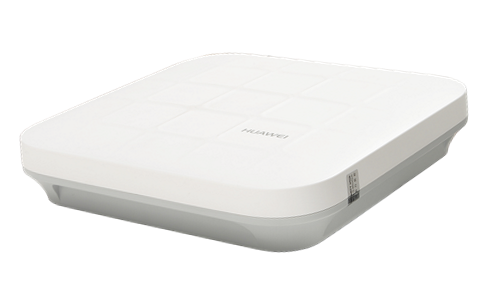
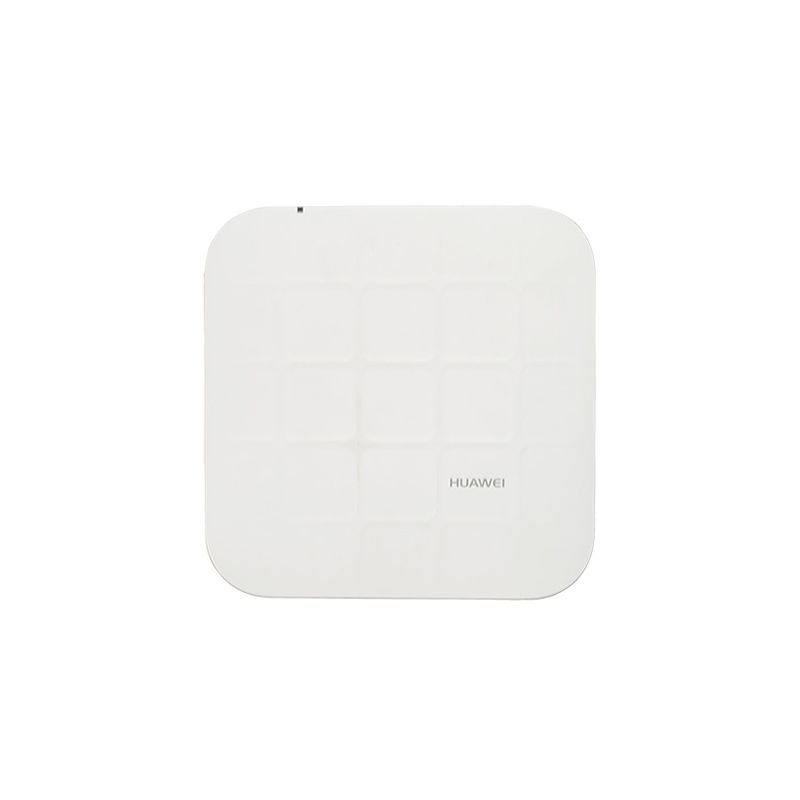
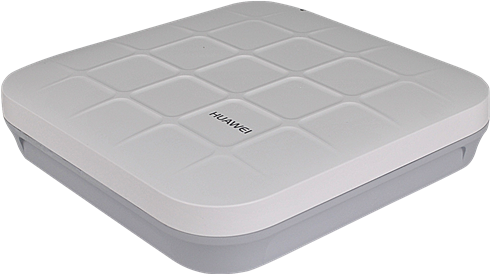
Huawei specifies built-in omnidirectional antennas for AP5030DN, with reference gains of 4 dBi at 2.4 GHz and 5 dBi at 5 GHz. Check placement, coverage and regulatory suitability with the actual model, rather than applying the accessory assumptions of an external-antenna enclosure. The official appearance reference illustrates AP5030DN; it is not a photograph of the specific delivered unit.
Set the Fit, Fat and hybrid-mode acceptance separately
The exact characteristics identify 3×3 MIMO, concurrent dual-band access and a hybrid Fit AP plus bridge mode. The hardware table gives up to 256 users in Fit and 64 in Fat, with 16 VAPs per radio. Keep those values tied to the operating mode and the planned acceptance load. Confirm the controller, matching software package and forwarding arrangement before replacement; a matching product name does not establish a working image or supported controller release.
Use the documented power alternatives without adding backup promises
The hardware power table gives DC 12 V ±10% or IEEE 802.3af/at PoE and a 12.95 W maximum reference. The manufacturer qualifies actual maximum consumption by local laws and regulations. Include the adapter, mains lead and mounting items as explicit quotation scope. Neither the dual-Ethernet layout nor the presence of two power alternatives establishes dual-PoE inputs, a USB interface or a guaranteed hot-backup transfer for this model.
Apply the FCC and delivered-country boundaries to the channel plan
Huawei states that 2.4 GHz does not support 40M bandwidth in FCC regions, including the US. The channel-count table uses China as an example, and its USA notice specifies a fixed country code. Review the delivered regulatory configuration and the intended region before selecting software or channels. Combined transmit references are 25 dBm per band, subject to local limits; they should not be treated as permission to use that setting everywhere.
Check the indoor enclosure and measured throughput
The manufacturer lists 53 × 220 × 220 mm in height, width and depth, a 0.8 kg weight and IP41. Humidity is 5–95% non-condensing. Operating temperature is −10°C to +50°C at −60–1800 m; above 1800 m through 5000 m, reduce the upper limit by 1°C per 300 m. Channel-rate references reach 450 Mbit/s for 802.11n and 1300 Mbit/s for 802.11ac. Confirm the delivered revision and site conditions, then measure application traffic over the chosen radio and Ethernet topology.
Document/Firmware Download
AP5030DN Specification
| Exact model | AP5030DN |
| Wireless configuration | IEEE 802.11a/b/g/n/ac; 3×3 MIMO; simultaneous 2.4 GHz and 5 GHz |
| Ethernet layout | GE0/PoE plus GE1:10/100/1000M |
| PoE input location | GE0/PoE; GE1 is the separate wired data interface |
| S-model substitution check | AP5030DN adds the documented GE1 data port; verify topology before replacing with AP5030DN-S |
| Antenna configuration | Built-in omnidirectional ; 2.4 GHz 4 dBi, 5 GHz 5 dBi reference gains |
| Management/hybrid role | Fit/Fat user references; Fit AP plus bridge hybrid documented |
| User and VAP references | Fit ≤256 ; Fat ≤64; 16 VAPs per radio |
| Power input | DC 12 V ±10% orIEEE 802.3af/at PoE |
| Maximum consumption reference | 12.95 W;actual maximum follows local laws and regulations |
| Accessory/backup scope | Confirm adapter and mounting scope; no dual-PoE/USB/hot-backup promise |
| FCC bandwidth restriction | 2.4 GHz 40 MHz unsupported in FCC regions,including US |
| Country/channel boundary | China reference channel counts ; USA country code fixed ; verify delivered configuration |
| Dimensions H × W × D | 53 × 220 × 220 mm |
| Reference weight and enclosure | 0.8 kg; IP41; humidity 5–95% non-condensing |
| Operating limits | −10 to +50°C at −60–1800 m;above 1800 m derate 1°C per 300 m through 5000 m |
| Combined transmit reference | 25 dBm each band ; local limits apply |
| Channel-rate references | 802.11n up to 450 Mbit/s; 802.11ac up to 1300 Mbit/s; not application throughput |
| Maintenance/security | Console, reset button and physical lock |
AP5030DN Warranty
 | Product Quotation |  | Condition and Packaging |
 | Return Eligibility |  | Returns and Replacement |
 | Shipping Arrangements |  | Warranty Terms |
AP5030DN FAQ
What is AP5030DN?
AP5030DN is a HUAWEI AP5000 Series Access Points product supplied by YYST Global for enterprise IT procurement and infrastructure projects.
What wireless configuration is listed for AP5030DN?
For AP5030DN, the manufacturer specification lists wireless configuration as IEEE 802.11a/b/g/n/ac; 3×3 MIMO; simultaneous 2.4 GHz and 5 GHz.
What interfaces and ports does AP5030DN provide?
For AP5030DN, the manufacturer specification lists ethernet layout as GE0/PoE plus GE1:10/100/1000M.
What are the power requirements for AP5030DN?
For AP5030DN, the manufacturer specification lists poe input location as GE0/PoE; GE1 is the separate wired data interface.
Is AP5030DN available from YYST Global?
Contact YYST Global to confirm availability for AP5030DN, the required quantity, exact configuration, delivery destination and current lead time before ordering. A product listing does not confirm current inventory.
MODEL-SPECIFIC PROCUREMENT RESOURCE
Huawei AP5030DN Deployment and Mode Selection Guide
Verify the AP5030DN built-in antenna, dual-band radio, 802.11ac and Fit, Fat, WDS or Mesh deployment boundaries.
Check this AP5030DN model's antenna, radio and operating-mode boundariesRelated products
Related AP5030DN
AP5030DN-S
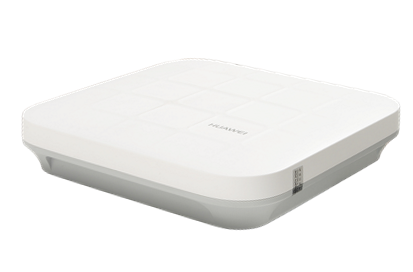
Huawei AP5030DN-S is an indoor dual-band IEEE 802.11ac access point with 3×3 MIMO. It serves 2.4 GHz and 5 GHz simultaneously through built-in omnidirectional antennas and uses one Gigabit GE0/PoE wired connection. Huawei lists up to 256 users in Fit mode and 64 in Fat mode, so the management choice changes the reference client limit. Power is supplied through IEEE 802.3af/at PoE or 12 V DC; confirm software, country configuration and accessories with the quote.
AP5030DN-DC Huawei WLAN access point exact hardware record
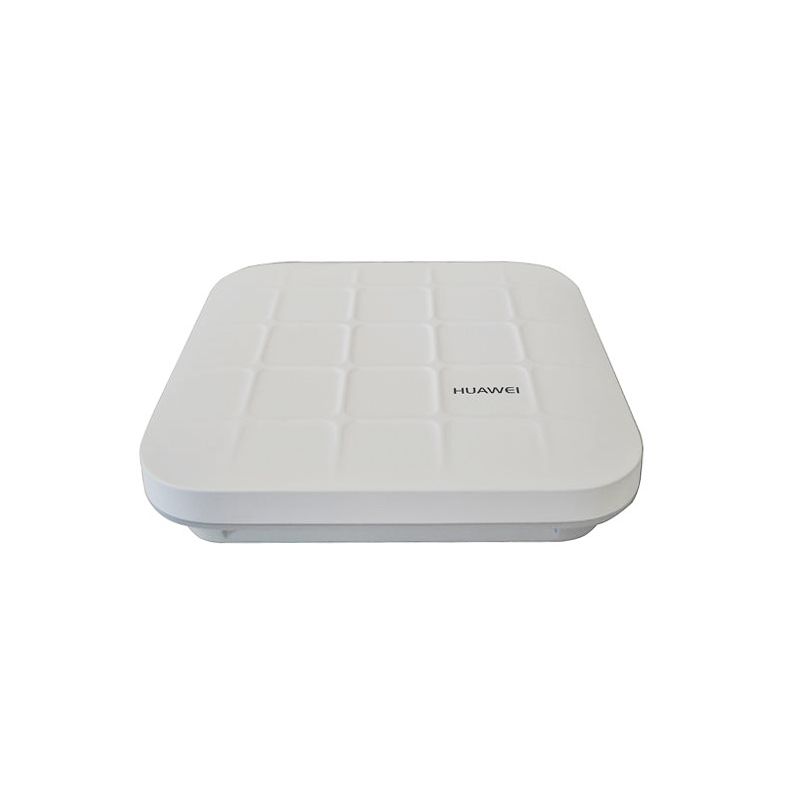
AP5030DN-DC is an exact Huawei WLAN hardware PID. Operating mode and every suffix, software, controller, antenna, power, mount and lifecycle fact must match Huawei evidence and the received unit.
AP5030DN-FAT-DC Huawei WLAN access point exact hardware record
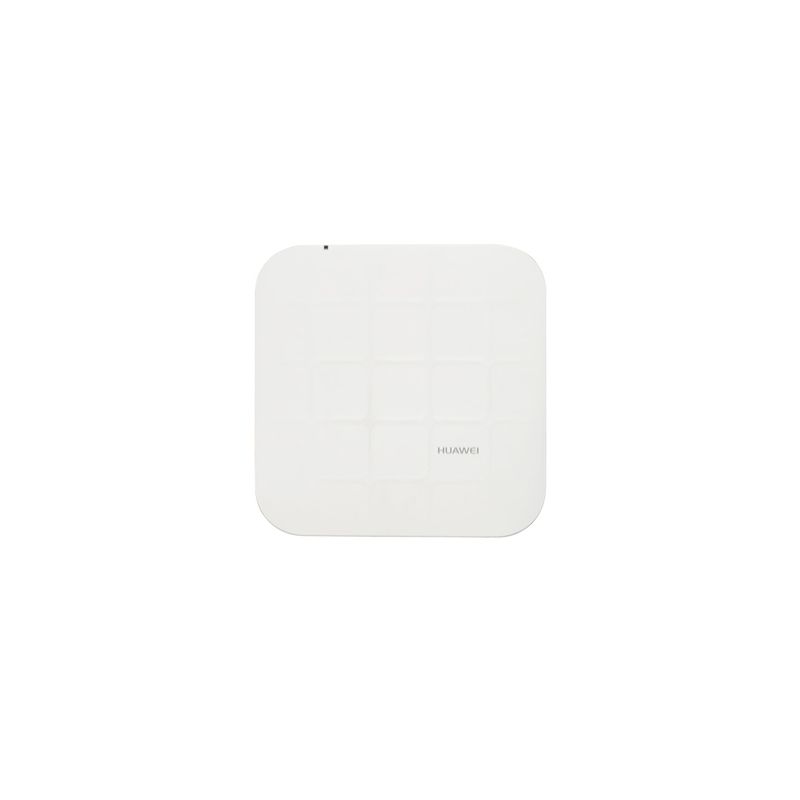
AP5030DN-FAT-DC is an exact Huawei WLAN hardware PID. Operating mode and every suffix, software, controller, antenna, power, mount and lifecycle fact must match Huawei evidence and the received unit.
AP5030DN-S-DC Huawei WLAN access point exact hardware record
AP5030DN-S-DC is an exact Huawei WLAN hardware PID. Operating mode and every suffix, software, controller, antenna, power, mount and lifecycle fact must match Huawei evidence and the received unit.
AP5030DN-S-FAT-DC - Huawei Indoor Access Points
AP5030DN-S-FAT-DC HUAWEI wireless networking hardware for campus WLAN projects. Contact YYST Global for stock, lead time and quote support.
Huawei AP5010DN-AGN-DC Access Point Bundle
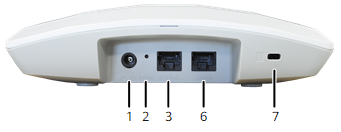
Huawei AP5010DN-AGN-DC is the AP5010DN-AGN access-point bundle mapped to part number 02358264 in Huawei’s Hardware Center. Its order description includes an AC/DC adapter, an indoor 802.11n dual-frequency 2×2 AP and a built-in antenna. The mainframe-only 02355547 is a separate order without an adapter. For the AP5010DN-AGN hardware inside the bundle, Huawei documents Gigabit ETH/PoE and console connections, 12 V ±10% DC or IEEE 802.3af/at input, and a 9.5 W maximum-consumption reference. Verify the supplied adapter and regional configuration. The image is a shared manufacturer interface illustration, not a photograph of the offered bundle contents.
Huawei AP5010DN-AGN Indoor Access Point
Huawei AP5010DN-AGN is an indoor 802.11n access point. Its manufacturer mainframe order reference is 02355547: dual-frequency 2×2, a built-in antenna and no AC/DC adapter. The hardware illustration for this model group identifies an ETH/PoE Gigabit Ethernet connection and a console port. The basic specification table assigns AP5010DN-AGN a 9.5 W maximum-consumption reference and allows 12 V ±10% DC or IEEE 802.3af/at power. The 02358264 bundle is a separate ordering line with an AC/DC adapter. The displayed image is Huawei’s shared interface illustration for the named AP3010/AP5010/AP6010 models, not a supplied-unit photograph.
AP5050DN-S
Huawei AP5050DN-S is an indoor 802.11ac Wave 2 access point with simultaneous 2.4 GHz 3×3 and 5 GHz 4×4 operation. Its two Gigabit Ethernet interfaces support the documented link-aggregation and traffic-load-balancing features; GE0/PoE accepts PoE input and GE1 is the second data port. Power input is 12 V DC or IEEE 802.3at, with a 19.7 W AP consumption reference excluding USB output. It has USB2.0 storage expansion and supports Fat, Fit and cloud management modes.