
FAP-233G-I - Fortinet Wireless Access Point - FortiAP 233G Series

- 763 412 7282
- +86 010 69614620
FAP-233G-I Overview
FAP-233G-I exact hardware identity
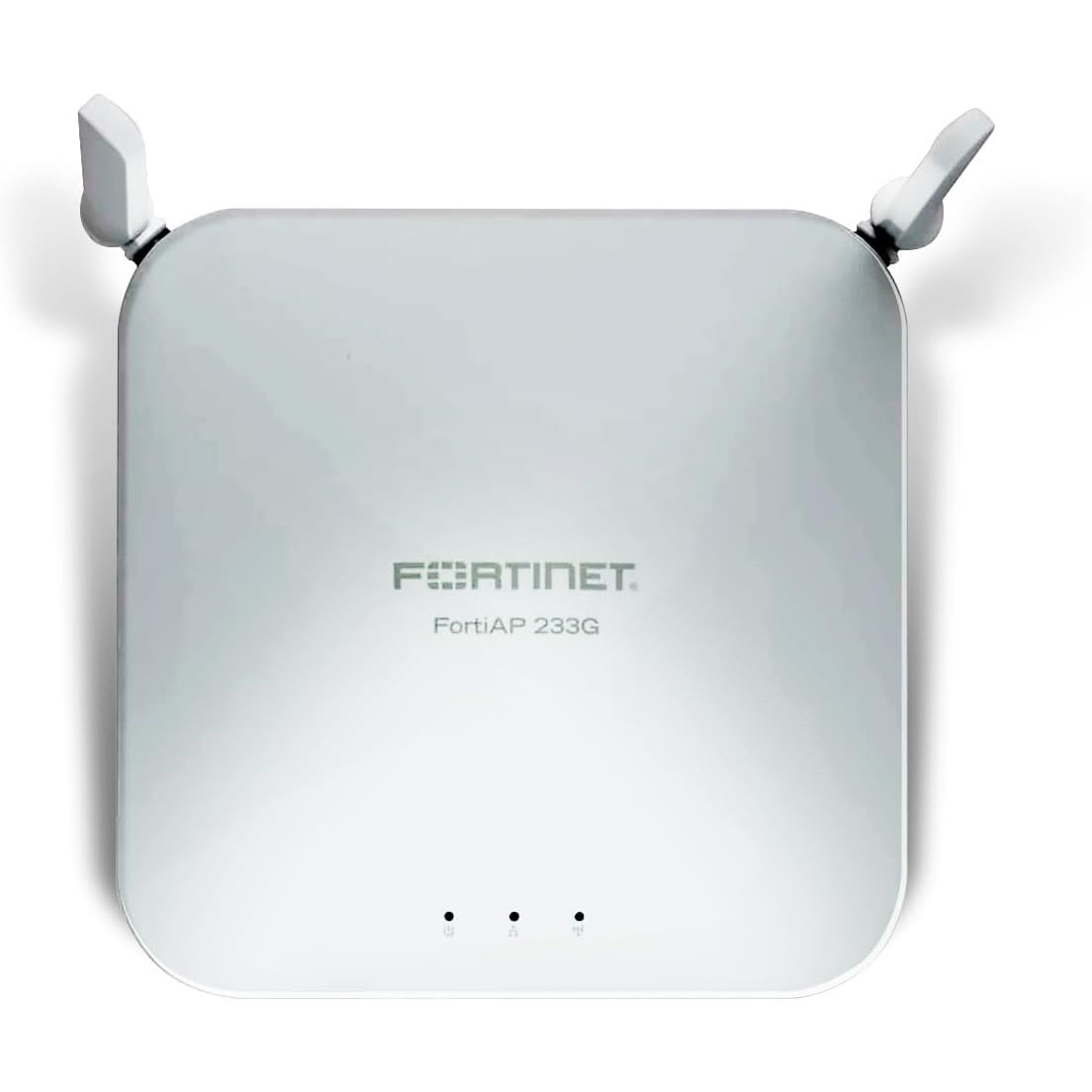
FAP-233G-I is a Fortinet FortiAP indoor Wi-Fi 6E access point with external antennas. It provides three 2x2 radios that can be configured for 2.4 GHz, 5 GHz, 6 GHz or scanning roles, plus an integrated BLE/Zigbee radio.
Antenna-form boundary
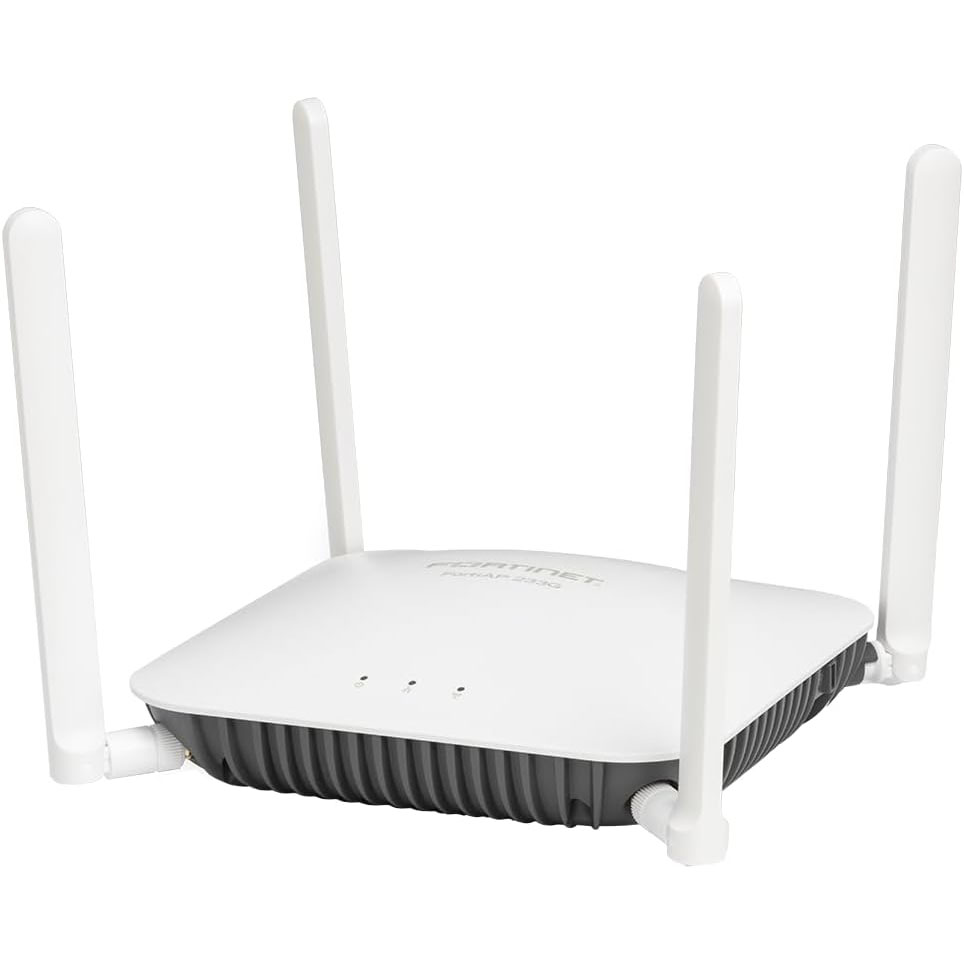
The FAP-233G is the external-antenna form. Its antenna system, connectors, cable loss, gain, pattern, mounting and local approval are separate deployment decisions. Receiving must inspect antenna connections and reconcile the complete RF bill of materials before radios are enabled.
I regional ordering evidence
The final letter is retained as a regional ordering and compliance identifier; this page does not translate it into a country. Preserve the I-suffix identity through quotation, receiving, inventory and controller onboarding.
Make the I-suffix identity part of every custody handoff. The quotation, carton, serial record, staging worksheet and managed device name should retain the complete PID. A replacement is accepted only after the destination check, power state, radio-three role and representative client test are repeated. Similar family hardware is not an automatic operational substitute.
Ethernet and power boundary
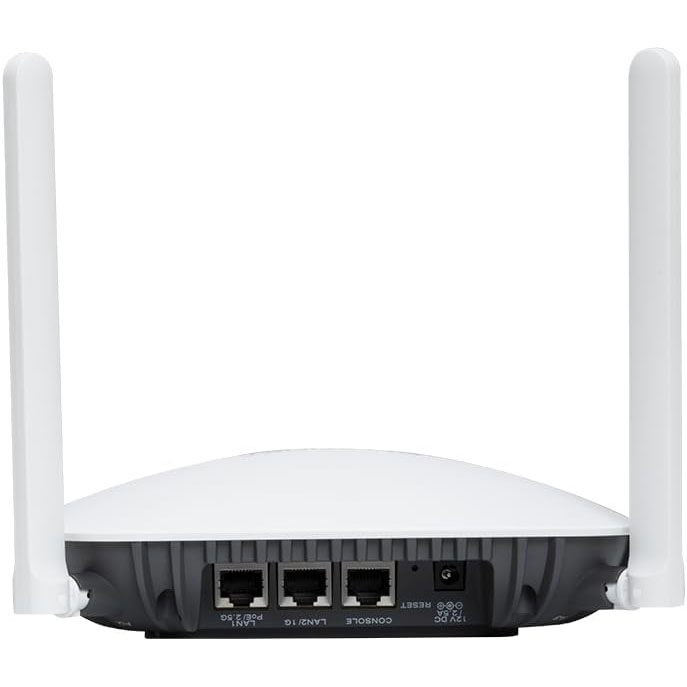
Fortinet documents one 100/1000/2500/5000BASE-T port and one 10/100/1000BASE-T port. Under 802.3af, transmit power is limited, radio 3 and USB are disabled; 802.3at or DC enables the full documented state. Record the negotiated condition after final configuration.
External-antenna acceptance path
This order is incomplete without a controlled antenna system. Record every antenna and cable PID, connector assignment, gain, pattern, cable loss, mounting, strain relief and local approval. Inspect the physical connections before power, then compare configured transmit power and measured RF behavior with the approved design before enabling production service.
Management and software boundary
The FortiAP can be managed through supported Fortinet platforms, but compatibility is release-specific. Match FortiAP firmware with the applicable FortiOS or cloud management release and preserve the tested combination.
FAP-233G-I evidence sequence
Use change-window recovery as the central workflow for this PID. Preserve prior AP, switch and management state, define measurable success, then compare authorization, radio, wired and client results after installation. Roll back when the accepted thresholds are not met.
Deployment evidence worksheet
Management compatibility
Record whether FortiGate, FortiEdge Cloud or SASE management is intended, plus the supported software release and first successful authorization. Authorization in a management console is not enough; preserve configuration download, radio state and named operational ownership.
Power-state acceptance
Record the actual 802.3af, 802.3at or DC input after all planned radios and services are active, including any reduced-feature indication. Fortinet documents reduced function under 802.3af and full operation under 802.3at or DC, so an idle boot is not a full-power test.
6 GHz readiness
Verify destination approval, client capability, security settings and channel availability before treating Wi-Fi 6E as an operational result. Do not infer legal 6 GHz operation from hardware support; retain the exact destination authorization and live enabled-channel evidence.
Serial asset control
Link serial, MAC addresses, site, management object, switch port and owner before the AP leaves staging. A model-level stock entry cannot show which physical AP was installed, returned, held as spare or covered by a support case.
Monitoring handover
Assign owners for AP authorization, radio health, Ethernet errors, client experience and software advisories, then test alert delivery. Telemetry without a mapped serial and escalation owner is not a supportable operational baseline.
Change and rollback
Define staging evidence, production window, measurable success criteria and the prior network state required for recovery. After the change, close temporary access and compare power, radio, wired and client results with the accepted baseline.
Related FortiAP 231G/233G orders
- FAP-231G-I - compare antenna form and regional ordering evidence.
- FAP-231G-A - compare antenna form and regional ordering evidence.
- FAP-231G-B - compare antenna form and regional ordering evidence.
Official evidence: Fortinet FortiAP Series data sheet; FortiAP 231G/233G quick-start guide; FortiAP compatibility matrix; Fortinet design and power guidance; and Fortinet wireless accessories data sheet.
FAP-233G-I Specification
| Exact model / SKU | FAP-233G-I |
| Exact Fortinet PID | FAP-233G-I |
| Product family | FortiAP 233G |
| Wireless design | Indoor Wi-Fi 6E; three radios; 2x2 MU-MIMO |
| Antenna form | indoor Wi-Fi 6E access point with external antennas |
| Regional ordering suffix | I |
| Regional approval | Verify exact destination authorization; no country mapping inferred |
| Primary Ethernet | 100/1000/2500/5000BASE-T |
| Secondary Ethernet | 10/100/1000BASE-T |
| Reduced power | 802.3af limits transmit power and disables radio 3 and USB |
| Full documented state | 802.3at or DC; verify live negotiation and configuration |
| Management | Verify the exact supported FortiGate, FortiEdge Cloud or SASE software release |
| Source match | FAP-233G-I: FortiAP 233G, indoor Wi-Fi 6E access point with external antennas, regional suffix I |
| Official manufacturer reference | Fortinet FortiAP Series official data sheet |
FAP-233G-I Warranty
 | Product Quotation |  | Condition and Packaging |
 | Return Eligibility |  | Returns and Replacement |
 | Shipping Arrangements |  | Warranty Terms |
FAP-233G-I FAQ
What is FAP-233G-I?
FAP-233G-I - Fortinet Wireless Access Point - FortiAP 233G Series is a FORTINET FortiAP FAP-233G product supplied by YYST Global for enterprise IT procurement and infrastructure projects.
What wireless or client capacity is listed for FAP-233G-I?
For FAP-233G-I, the manufacturer specification lists wireless design as Indoor Wi-Fi 6E; three radios; 2x2 MU-MIMO.
What interfaces and ports does FAP-233G-I provide?
For FAP-233G-I, the manufacturer specification lists primary ethernet as 100/1000/2500/5000BASE-T.
Is FAP-233G-I available from YYST Global?
Contact YYST Global to confirm availability for FAP-233G-I, the required quantity, exact configuration, delivery destination and current lead time before ordering. A product listing does not confirm current inventory.
What is the price of FAP-233G-I?
Please request a quote for FAP-233G-I. Final pricing depends on stock, quantity, configuration and delivery destination.
Related products
Related FAP-233G-I
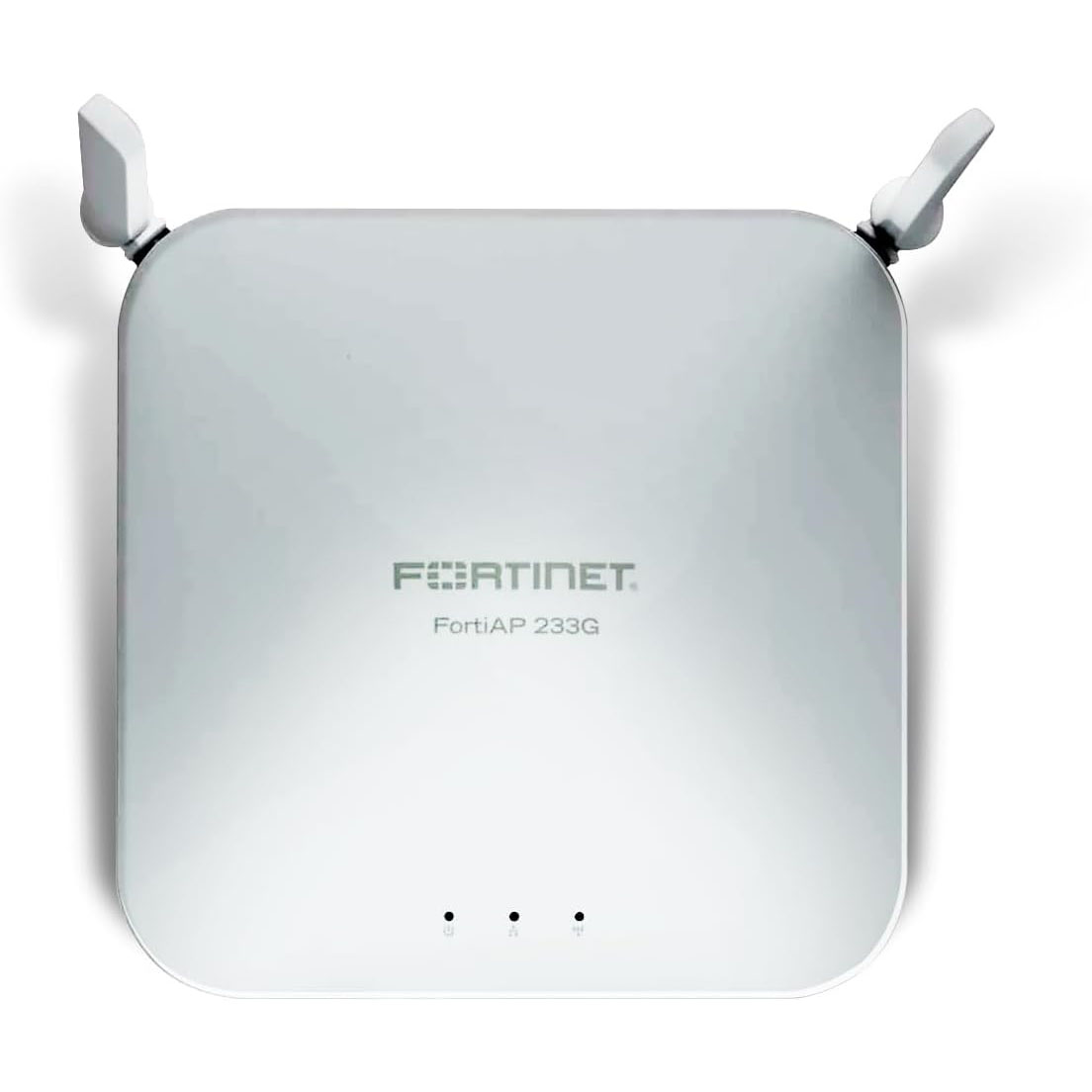
Fortinet FAP-233G-B External-Antenna Wi-Fi 6E Access Point
FAP-233G-B is an indoor tri-radio Wi-Fi 6E access point with four external Wi-Fi antenna connections, an internal BLE antenna and configurable external antenna gain.
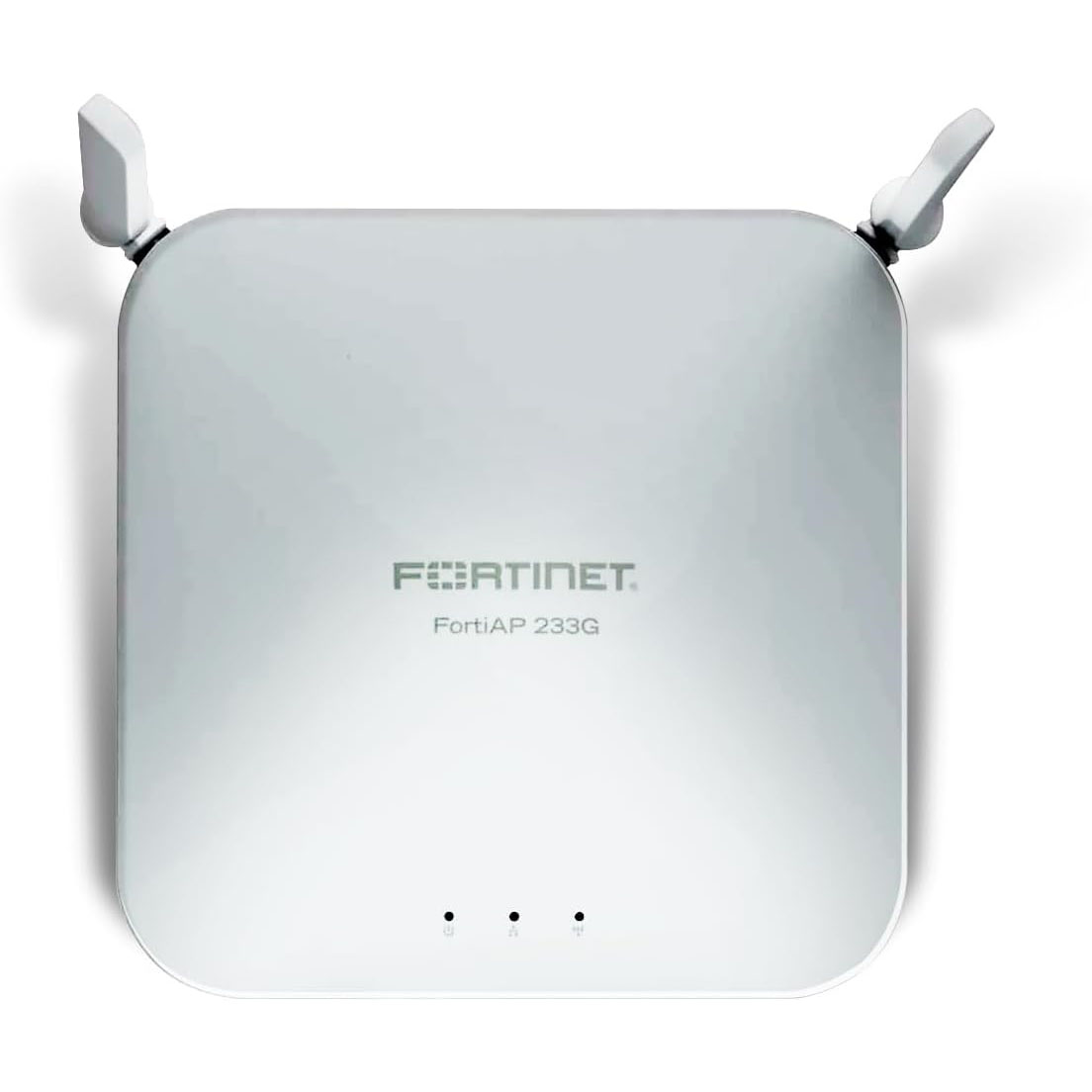
FAP-233G-T - Fortinet Indoor Wireless Access Point - 2x2 Tri-radio 11ax 6Ghz
FAP-233G-T is a Fortinet FortiAP indoor Wi-Fi 6E access point with external antennas with regional ordering suffix T, three 2x2 radios, Wi-Fi 6E support, one multigigabit port and one Gigabit Ethernet port. Verify destination approval, management compatibility, PoE state and RF design.
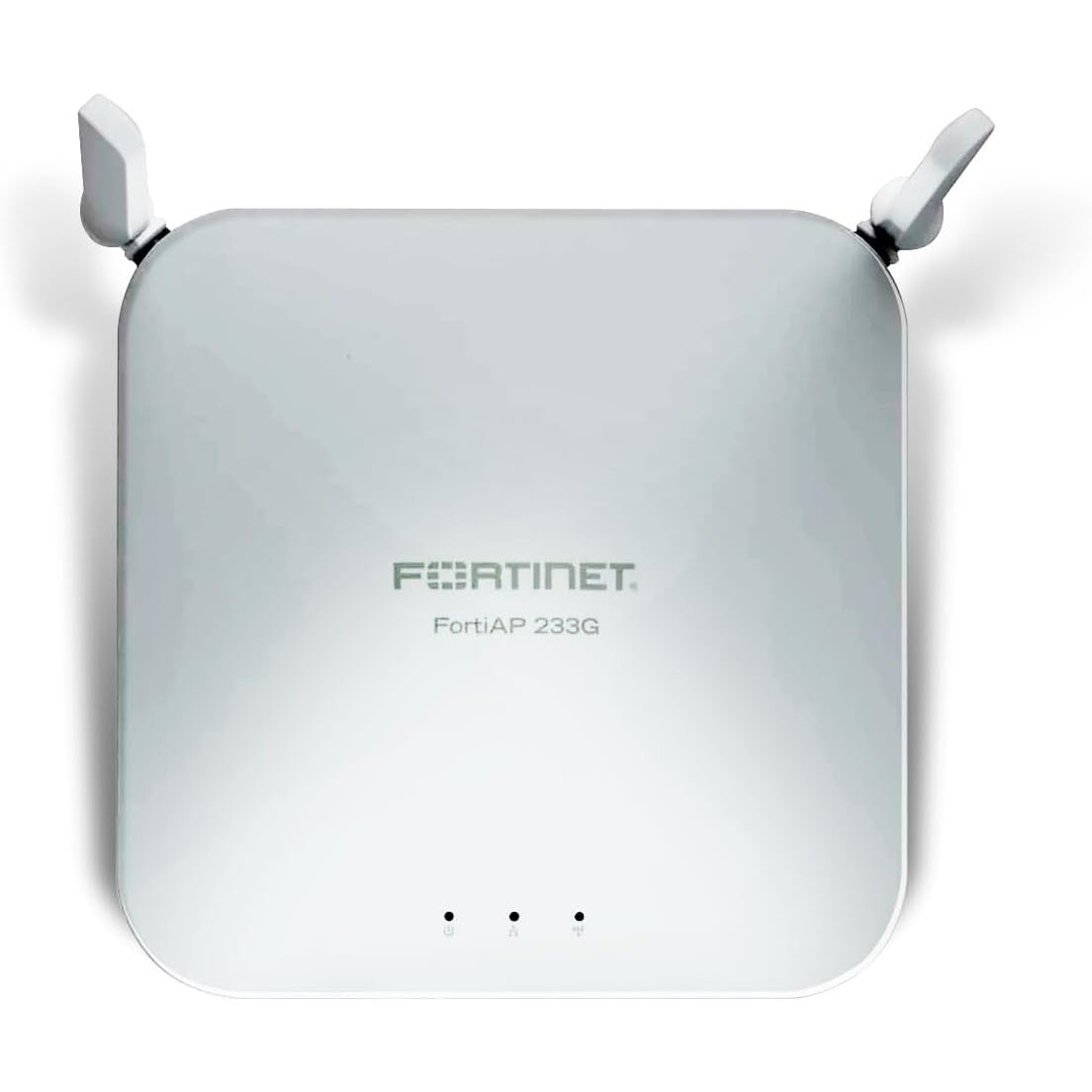
FAP-233G-S - Fortinet FortiAP 233G Wireless Access Point
FAP-233G-S is a Fortinet FortiAP indoor Wi-Fi 6E access point with external antennas with regional ordering suffix S, three 2x2 radios, Wi-Fi 6E support, one multigigabit port and one Gigabit Ethernet port. Verify destination approval, management compatibility, PoE state and RF design.
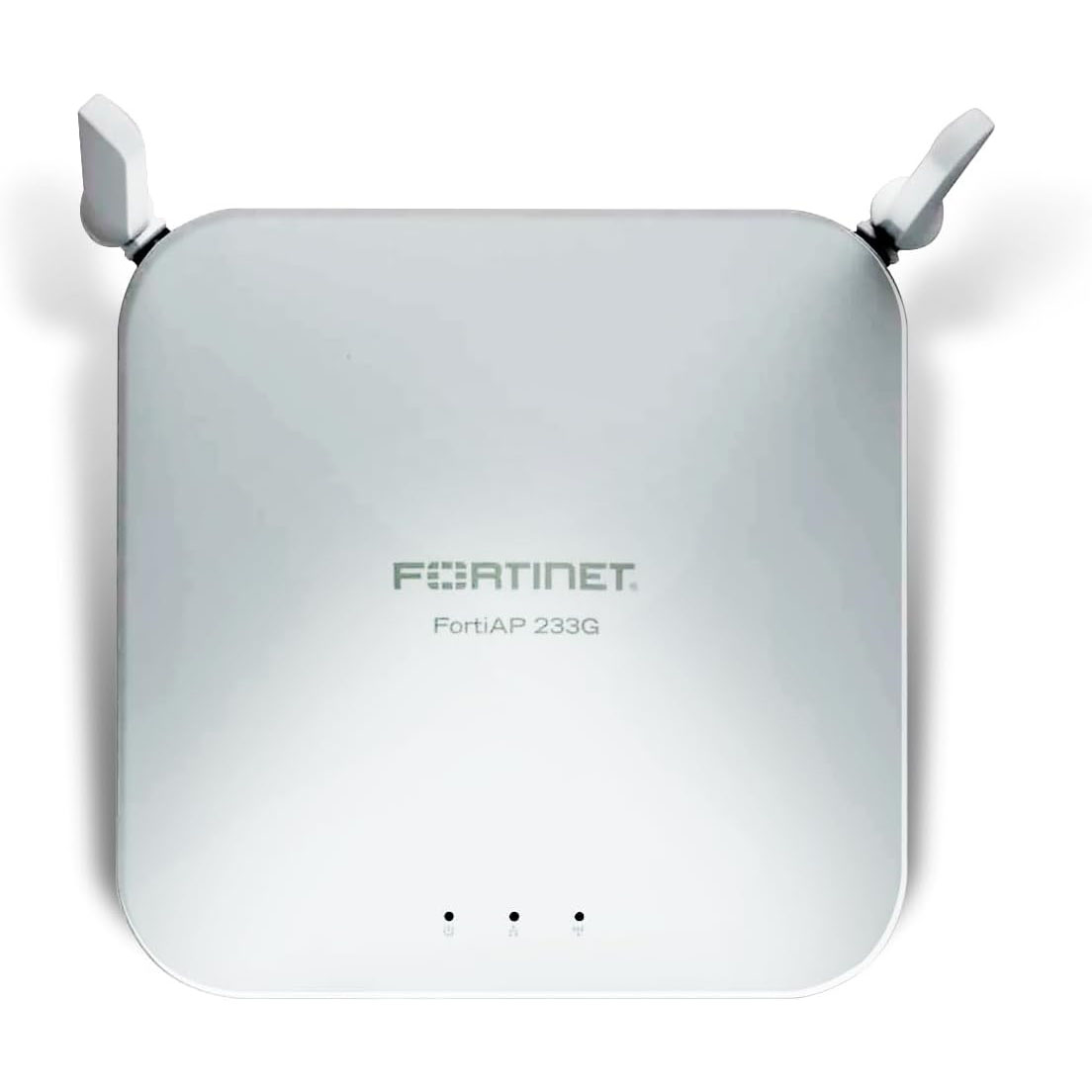
FAP-233G-N - Fortinet 2x2 Indoor Triradio - 233G Wireless Access Point
FAP-233G-N is a Fortinet FortiAP indoor Wi-Fi 6E access point with external antennas with regional ordering suffix N, three 2x2 radios, Wi-Fi 6E support, one multigigabit port and one Gigabit Ethernet port. Verify destination approval, management compatibility, PoE state and RF design.
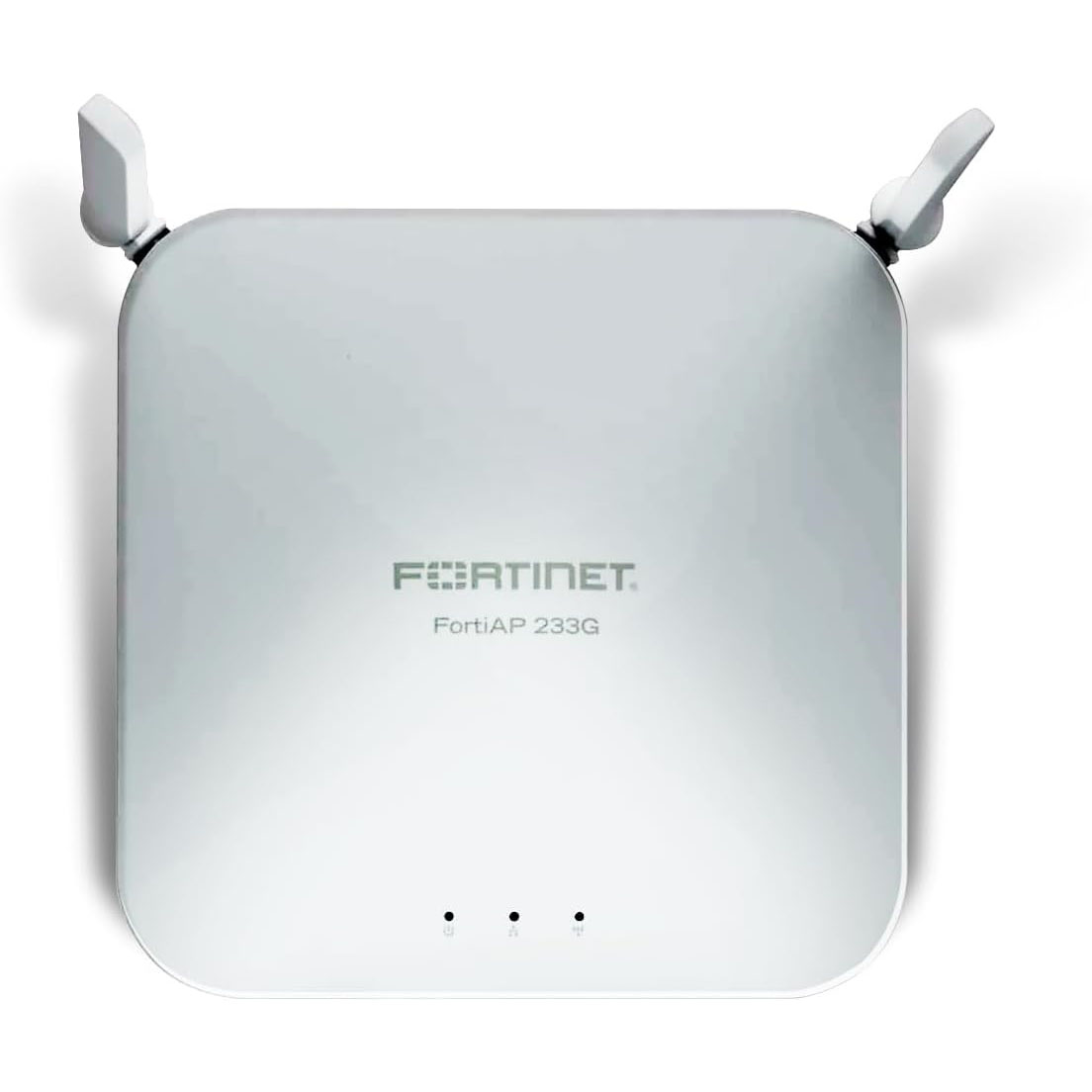
FAP-233G-K- BLE/Zigbee - FortiAP 233G Wireless Access Point
FAP-233G-K is a Fortinet FortiAP indoor Wi-Fi 6E access point with external antennas with regional ordering suffix K, three 2x2 radios, Wi-Fi 6E support, one multigigabit port and one Gigabit Ethernet port. Verify destination approval, management compatibility, PoE state and RF design.
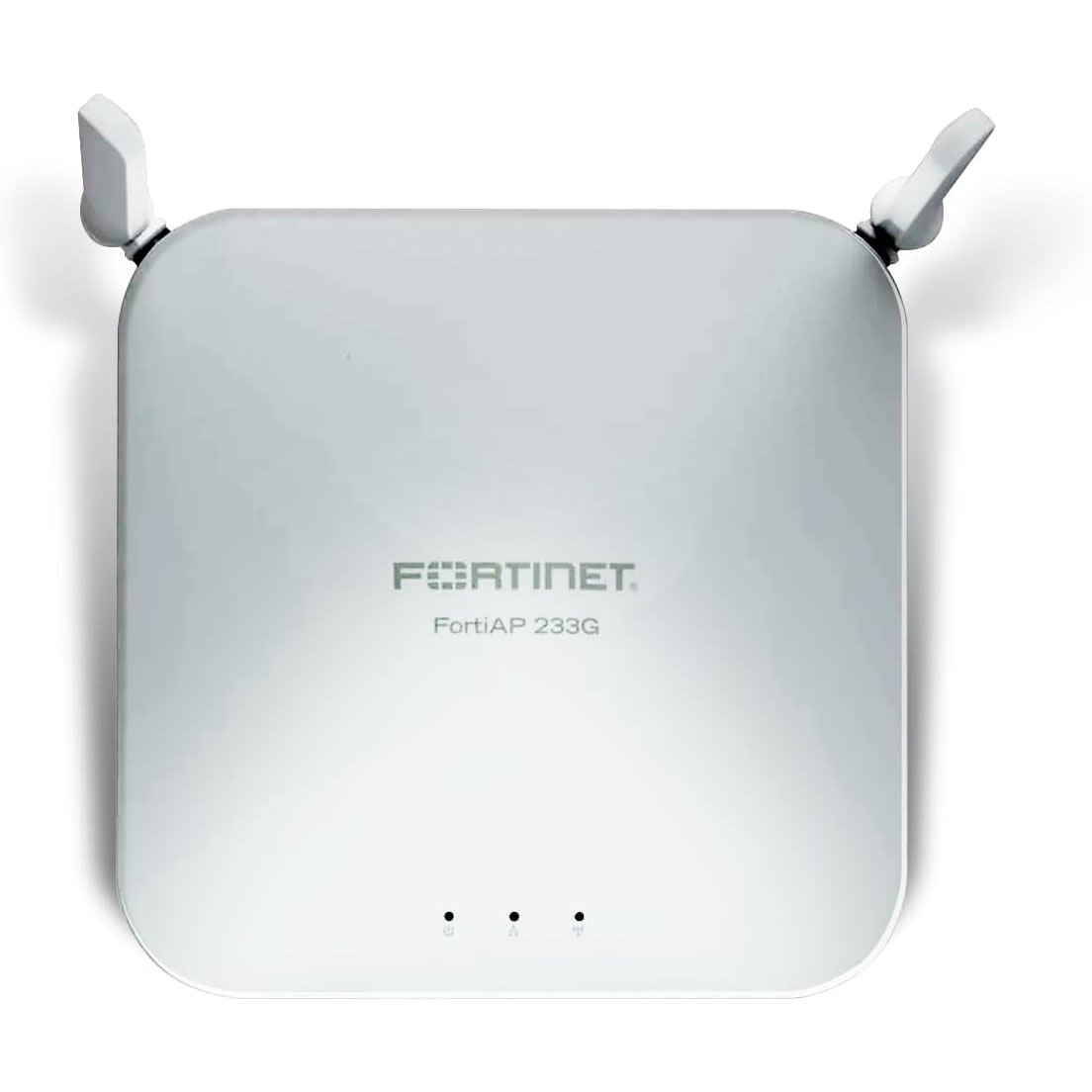
FAP-233G-E - Fortinet Wi-Fi 6E Indoor Wireless Access Point
FAP-233G-E is a Fortinet FortiAP indoor Wi-Fi 6E access point with external antennas with regional ordering suffix E, three 2x2 radios, Wi-Fi 6E support, one multigigabit port and one Gigabit Ethernet port. Verify destination approval, management compatibility, PoE state and RF design.
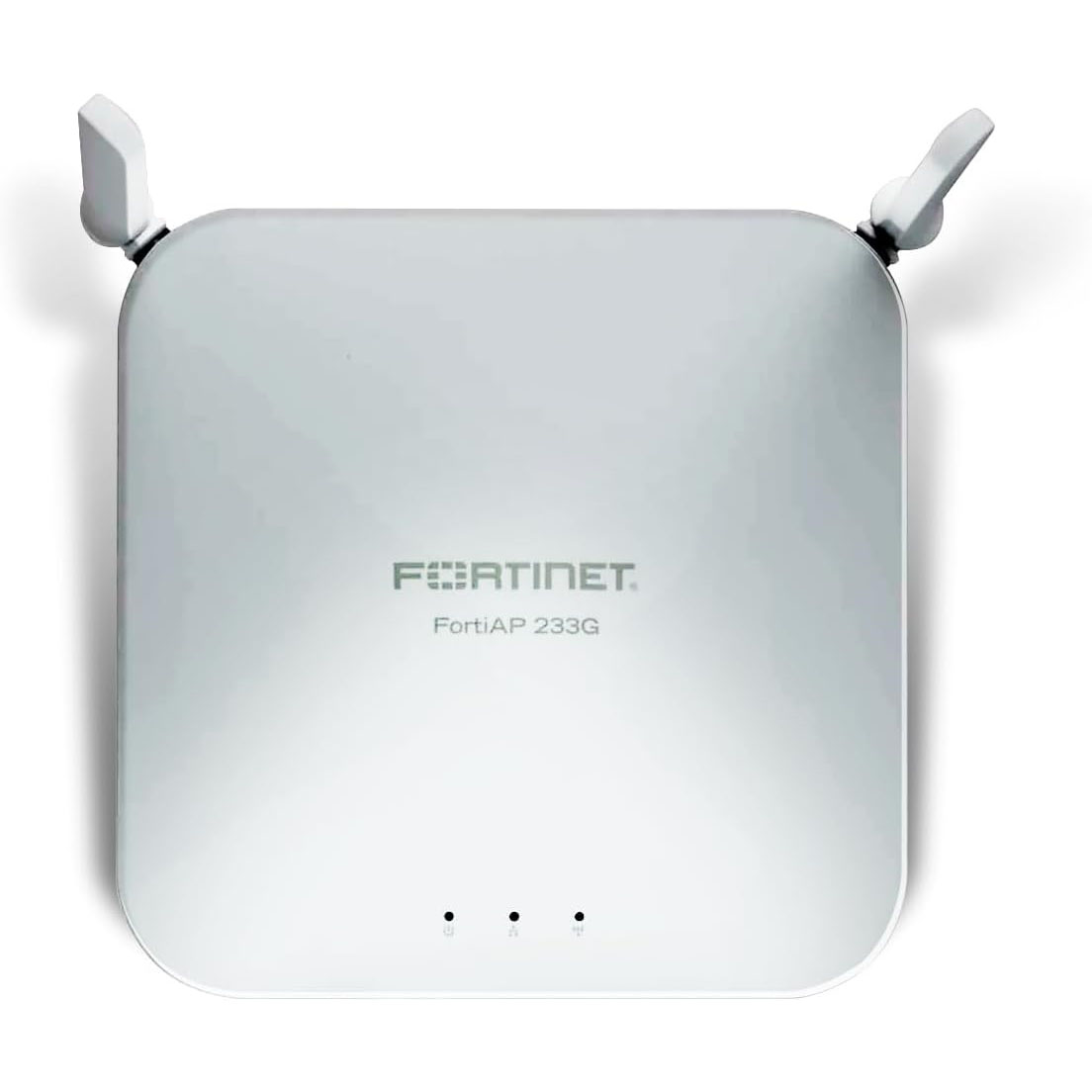
FAP-233G-F - FortiAP 233G Wireless Access Point - Wi-Fi 6E
FAP-233G-F is a Fortinet FortiAP indoor Wi-Fi 6E access point with external antennas with regional ordering suffix F, three 2x2 radios, Wi-Fi 6E support, one multigigabit port and one Gigabit Ethernet port. Verify destination approval, management compatibility, PoE state and RF design.
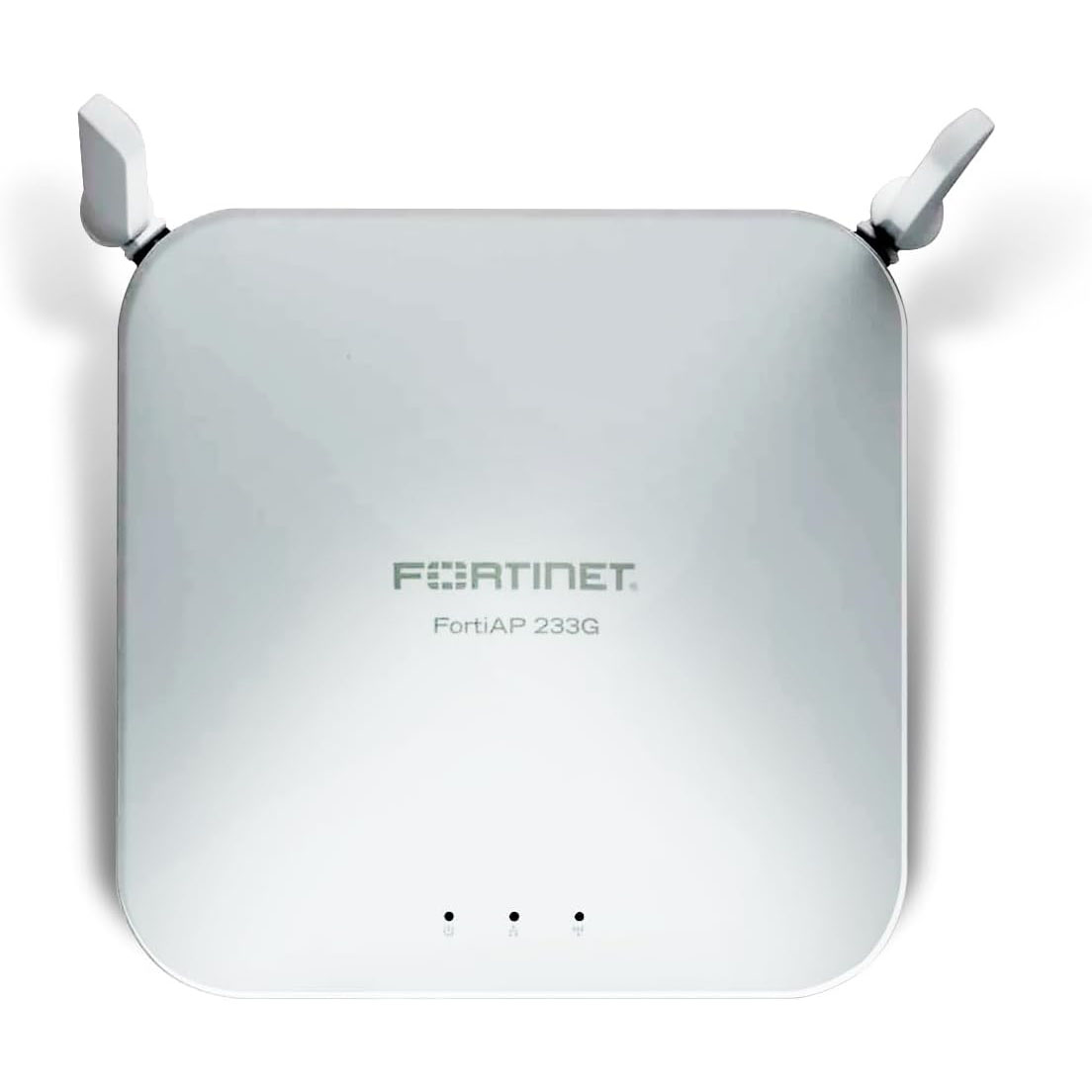
FAP-233G-D - Fortinet Indoor Access Point - Tri-radio 11ax 6Ghz
FAP-233G-D is a Fortinet FortiAP indoor Wi-Fi 6E access point with external antennas with regional ordering suffix D, three 2x2 radios, Wi-Fi 6E support, one multigigabit port and one Gigabit Ethernet port. Verify destination approval, management compatibility, PoE state and RF design.