
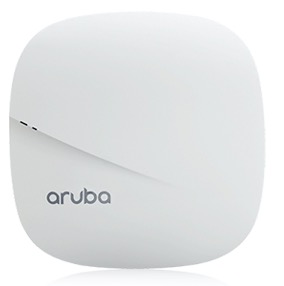
ARUBA JZ034A HPE Networking Instant On Access Points AP22

- 763 412 7282
- +86 010 69614620
JZ034A Buying Guide
Aruba JZ034A FIPS/TAA Enterprise 4×4 MU-MIMO Unified AP is listed by YYST Global for buyers looking for ARUBA HPE Networking Instant On Access Points AP22. JZ034A ARUBA wireless networking hardware for campus WLAN projects. Contact YYST Global for stock, lead time and quote support. The listed condition is New Factory Sealed. The reference price is US$ 210.00. Contact our sales team to confirm stock, lead time, warranty and configuration before ordering.
- Model: JZ034A
- Brand: ARUBA
- Category: HPE Networking Instant On Access Points AP22
- Condition: New Factory Sealed
- Reference price: US$ 210.00
JZ034A Overview
JZ034A is a ARUBA wireless networking hardware listed by YYST Global for campus WLAN expansion, controller replacement, access point rollout and wireless refresh projects. This page is intended for buyers comparing replacement parts, project supply, spare inventory and quote options.
YYST Global helps enterprise customers confirm model information, product category, condition, availability and sourcing route before purchase. For time-sensitive projects, send the model number and required quantity so our sales team can check stock, lead time and compatible alternatives.
Product name: Aruba JZ034A FIPS/TAA Enterprise 4×4 MU-MIMO Unified AP. Category: HPE Networking Instant On Access Points AP22. Condition: New Factory Sealed.
JZ034A Specification
| Datasheet series | HPE Aruba Access Points |
| Exact model | JZ034A |
| Management check | Confirm Aruba Central, controller, AirWave or local management requirements |
| Official datasheet | HPE Aruba access points official product page |
High-Performance Wi-Fi 802.11ac Wave 2: Dual-band design with 4×4 MU-MIMO delivers fast, stable wireless coverage for high-density environments.
Multi-Gigabit SmartRate Uplink: Equipped with a 2.5G SmartRate Ethernet port for future-proof wired performance.
Secure and Compliant: Supports WPA2/WPA3, 802.1X authentication, and meets FIPS/TAA requirements for regulated deployments.
IoT-Ready with BLE: Integrated Bluetooth Low Energy radio enables location services and modern IoT applications.
Flexible Deployment Options: Works in controller-based, Instant (controllerless), or cloud-managed modes to fit any network design.
| Model | JZ034A |
| Brand | ARUBA |
| Product category | HPE Networking Instant On Access Points AP22 |
| Product type | Enterprise wireless access product |
| Condition | New Factory Sealed |
| Reference price | US$ 210.00 reference price |
JZ034A Warranty
 | Low Price Guarantee |  | Quality Assurance |
 | 100% Money Back Guarantee |  | Commodity Refund Guarantee |
 | Diversified and Flexible Transportation Services |  | Standard Policy |
JZ034A FAQ
What is JZ034A?
Aruba JZ034A FIPS/TAA Enterprise 4×4 MU-MIMO Unified AP is a ARUBA HPE Networking Instant On Access Points AP22 product supplied by YYST Global for enterprise IT procurement and infrastructure projects.
Is JZ034A available from YYST Global?
JZ034A is in stock at YYST Global. Contact the sales team to confirm the required quantity, exact configuration, delivery destination and current lead time before ordering.
What is the price of JZ034A?
The current reference price for JZ034A is US$ 210.00. Final pricing can change based on stock, quantity, configuration and delivery destination.
What should buyers verify before ordering JZ034A?
Confirm the exact model suffix, interfaces, power option, software or licenses, included accessories, new factory sealed, warranty and destination requirements before ordering JZ034A.
Related products
Related JZ034A
Aruba JZ032A High-Performance 802.11ac Wave 2 Dual-Band Access Point
JZ032A ARUBA wireless networking hardware for campus WLAN projects. Contact YYST Global for stock, lead time and quote support.
Aruba JZ029A High-Performance 802.11ac Wave 2 Enterprise Access Point
JZ029A ARUBA wireless networking hardware for campus WLAN projects. Contact YYST Global for stock, lead time and quote support.
Aruba JZ028A Enterprise 802.11ac Wave 2 Dual-Band Access Point
JZ028A ARUBA wireless networking hardware for campus WLAN projects. Contact YYST Global for stock, lead time and quote support.
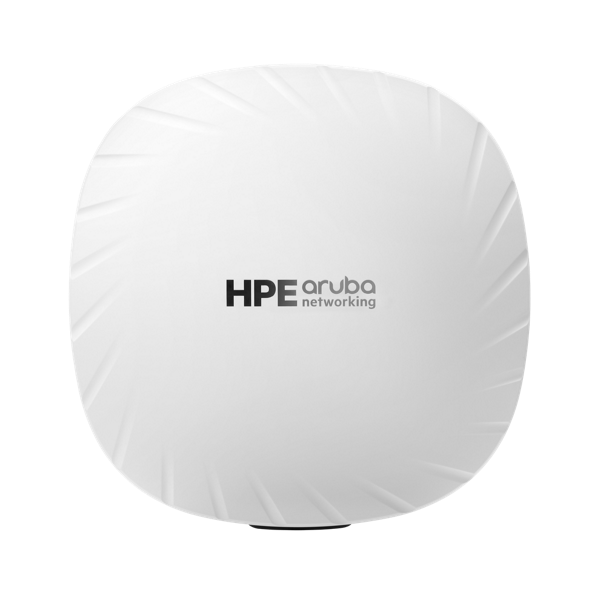
JZ342A - HPE Aruba AP‑534 (US) Campus AP -Dual Radio 4x4 802.11ax
JZ342A ARUBA wireless networking hardware for campus WLAN projects. Contact YYST Global for stock, lead time and quote support.
Aruba JZ331A (AP-534) Enterprise-Class Wi-Fi 6 Dual-Radio Access Point
JZ331A ARUBA wireless networking hardware for campus WLAN projects. Contact YYST Global for stock, lead time and quote support.
Aruba JZ330A (AP-533) Enterprise Wi-Fi 6 Dual-Radio Access Point
JZ330A ARUBA wireless networking hardware for campus WLAN projects. Contact YYST Global for stock, lead time and quote support.
Aruba JZ328A (AP-533) Enterprise Wi-Fi 6 Dual-Radio Access Point
JZ328A ARUBA wireless networking hardware for campus WLAN projects. Contact YYST Global for stock, lead time and quote support.
Aruba JZ327A Wi-Fi 6 Dual-Radio 4x4 MU-MIMO Enterprise Access Point
JZ327A ARUBA wireless networking hardware for campus WLAN projects. Contact YYST Global for stock, lead time and quote support.
ISO 9001 · ISO 14001 · ISO 45001
ISO 20000 · ISO 27001 · D&B