
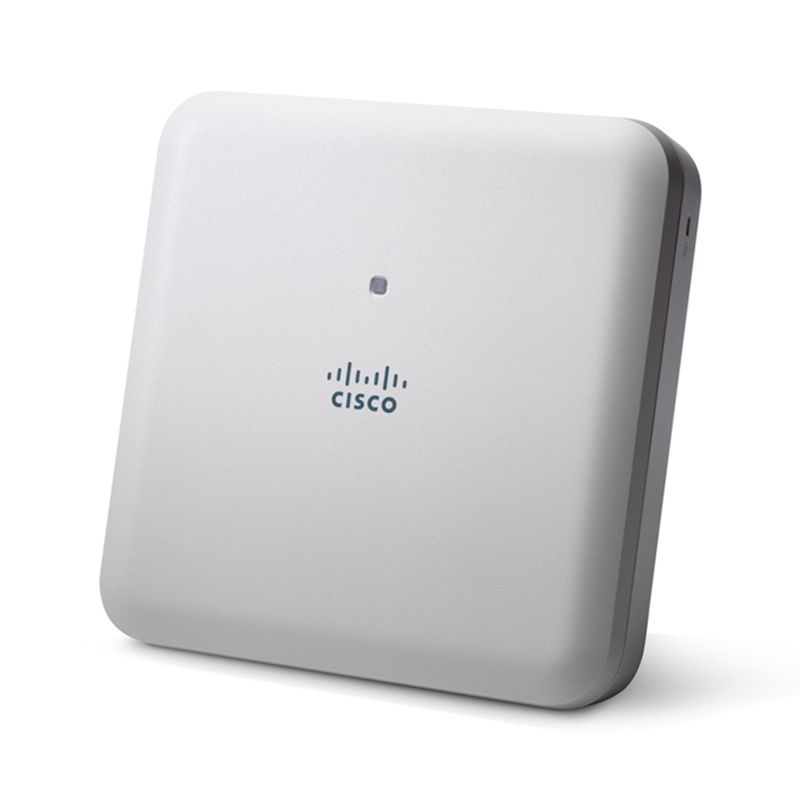
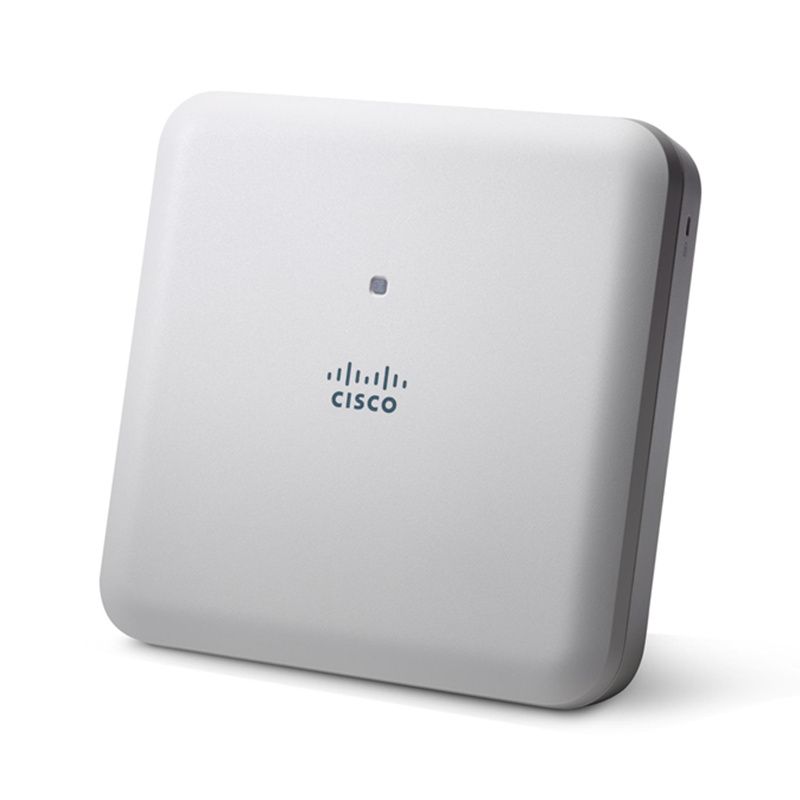
Cisco AIR-AP1832I-E-K9 Aironet 1832i E-Domain Access Point

- 763 412 7282
- +86 010 69614620
AIR-AP1832I-E-K9 Overview
AIR-AP1832I-E-K9 E-Domain Identity
AIR-AP1832I-E-K9 uses Cisco's E regulatory-domain identifier. Cisco's published table lists 2.412 to 2.472 GHz, 5.180 to 5.320 GHz and 5.500 to 5.700 GHz, with the documented exclusion inside the upper 5 GHz range. Country approval must still be checked for the installation location.
Controller-Based K9 Format
The K9 ending is the controller-based PID. It is distinct from AIR-AP1832I-E-K9C, which Cisco lists as a Mobility Express format. Replacement planning must verify controller family, AP image and software compatibility instead of assuming Mobility Express is included.
Radio and Lifecycle
The internal-antenna AP supports 802.11ac Wave 2 with 3x3 MIMO and two spatial streams. Cisco ended sale on May 1, 2022 and lists April 30, 2027 as the last date of support, with Catalyst 9115AX identified as the migration family.
- Confirm E-domain approval for the destination country.
- Validate controller and AP software before deployment.
- Distinguish E-K9 from E-K9C Mobility Express default software.
- Plan migration before the April 2027 support deadline.
Cisco Aironet 1830 Series official data sheet | Cisco Aironet 1830 lifecycle notice
AIR-AP1832I-E-K9 Specification
| Exact model / SKU | AIR-AP1832I-E-K9 |
| Exact PID | AIR-AP1832I-E-K9 |
| Regulatory domain | E; destination approval must be confirmed |
| E-domain 2.4 GHz range | 2.412 to 2.472 GHz; 13 channels in Cisco's table |
| E-domain 5 GHz ranges | 5.180 to 5.320 and 5.500 to 5.700 GHz; documented exclusion applies |
| Software format | Controller-based K9; distinct from E-K9C Mobility Express format |
| Radio | 802.11ac Wave 2; 3x3 MIMO with two spatial streams |
| Antennas | Internal |
| End of sale | May 1, 2022 |
| Last date of support | April 30, 2027 |
| Cisco migration family | Catalyst 9115AX Series |
| Source match | Exact AIR-AP1832I-E-K9 E-domain channels, controller format, radio, antenna and lifecycle from official Cisco documents |
| Official manufacturer reference | Cisco Aironet 1830 Series official data sheet |
| Product Name | Cisco Aironet 1830 Series | ||||||||
| Part Number | Cisco Aironet 1832i Access Point: Indoor environments, with internal antennas ● AIR-AP1832I-x-K9: Dual-band, controller-based 802.11a/g/n/ac, Wave 2 | ||||||||
| Software | Cisco Unified Wireless Network Software Release with AireOS wireless controllers: | ||||||||
| ● 8.1.121.0 or later for the Cisco Aironet 1830 Series Access Points | |||||||||
| Deployment modes | Centralized, standalone, sniffer,** Cisco FlexConnect®, monitor,** OfficeExtend,** mesh** | ||||||||
| Supported wireless LAN controllers | ● Cisco 2500 Series Wireless Controllers, Cisco 3500 Series Wireless Controllers, Cisco Wireless Controller Module for ISR G2, Cisco Wireless Services Module 2 (WiSM2) for Cisco Catalyst ® 6500 Series Switches, Cisco 5500 Series Wireless Controllers, Cisco Flex ® 7500 Series Wireless Controllers, Cisco 8500 Series Wireless Controllers, Cisco Catalyst 9800 Series Wireless Controllers, Cisco 5760 Wireless LAN Controller, * * Cisco Catalyst 3650 and 3850 Series Switches with integrated controller ** | ||||||||
| ● Cisco Mobility Express | |||||||||
| 802.11n version 2.0 (and related) capabilities | ● 3x3 MIMO with two spatial streams | ||||||||
| ● Maximal Ratio Combining (MRC) | |||||||||
| ● 20- and 40-MHz channels | |||||||||
| ● PHY data rates up to 300 Mbps (40 MHz with 5 GHz) | |||||||||
| ● Packet aggregation: A-MPDU (Tx/Rx), A-MSDU (Tx/Rx) | |||||||||
| ● 802.11 Dynamic Frequency Selection (DFS) | |||||||||
| ● Cyclic Shift Diversity (CSD) support | |||||||||
| 802.11ac Wave 1 and 2 capabilities | ● 3x3 MIMO with two spatial streams, single-user or multiuser MIMO | ||||||||
| ● MRC | |||||||||
| ● 802.11ac beamforming (transmit beamforming) | |||||||||
| ● 20-, 40-, and 80-MHz channels | |||||||||
| ● PHY data rates up to 867 Mbps (80 MHz in 5 GHz) | |||||||||
| ● Packet aggregation: A-MPDU (Tx/Rx), A-MSDU (Tx/Rx) | |||||||||
| ● 802.11 DFS | |||||||||
| ● CSD support | |||||||||
| Data rates supported | 802.11a: 6, 9, 12, 18, 24, 36, 48, and 54 Mbps | ||||||||
| 802.11g: 1, 2, 5.5, 6, 9, 11, 12, 18, 24, 36, 48, and 54 Mbps | |||||||||
| 802.11n data rates on 2.4 GHz (only 20 MHz and MCS 0 to MCS 23) and 5 GHz: | |||||||||
| MCS index[1] | GI[2] = 800 ns | GI = 400 ns | |||||||
| 20-MHz rate (Mbps) | 40-MHz rate (Mbps) | ||||||||
| 0 | 6.5 | 15 | |||||||
| 1 | 13 | 30 | |||||||
| 2 | 19.5 | 45 | |||||||
| 3 | 26 | 60 | |||||||
| 4 | 39 | 90 | |||||||
| 5 | 52 | 120 | |||||||
| 6 | 58.5 | 135 | |||||||
| Data rates supported | MCS index1 | GI2 = 800 ns | GI = 400 ns | ||||||
| 20-MHz rate (Mbps) | 40-MHz rate (Mbps) | ||||||||
| 7 | 65 | 150 | |||||||
| 8 | 13 | 30 | |||||||
| 9 | 26 | 60 | |||||||
| 10 | 39 | 90 | |||||||
| 11 | 52 | 120 | |||||||
| 12 | 78 | 180 | |||||||
| 13 | 104 | 240 | |||||||
| 14 | 117 | 270 | |||||||
| 15 | 130 | 300 | |||||||
| 802.11ac data rates (5 GHz): | |||||||||
| MCS index | Spatial streams | GI = 400 ns | |||||||
| 20-MHz rate (Mbps) | 40-MHz rate (Mbps) | 80-MHz rate (Mbps) | |||||||
| 0 | 1 | 6.5 | 13.5 | 32.5 | |||||
| 1 | 1 | 13 | 27 | 65 | |||||
| 2 | 1 | 19.5 | 40.5 | 97.5 | |||||
| 3 | 1 | 26 | 54 | 130 | |||||
| 4 | 1 | 39 | 81 | 195 | |||||
| 5 | 1 | 52 | 108 | 260 | |||||
| 6 | 1 | 58.5 | 121.5 | 292.5 | |||||
| 7 | 1 | 65 | 135 | 325 | |||||
| 8 | 1 | 78 | 162 | 390 | |||||
| MCS index | Spatial streams | GI = 400 ns | |||||||
| 20-MHz rate (Mbps) | 40-MHz rate (Mbps) | 80-MHz rate (Mbps) | |||||||
| 9 | 1 | – | 180 | 433.3 | |||||
| 0 | 2 | 13 | 27 | 65 | |||||
| 1 | 2 | 26 | 54 | 130 | |||||
| 2 | 2 | 39 | 81 | 195 | |||||
| 3 | 2 | 52 | 108 | 260 | |||||
| 4 | 2 | 78 | 162 | 390 | |||||
| 5 | 2 | 104 | 216 | 520 | |||||
| 6 | 2 | 117 | 243 | 585 | |||||
| 7 | 2 | 130 | 270 | 650 | |||||
| 8 | 2 | 156 | 324 | 780 | |||||
| 9 | 2 | – | 360 | 866.7 | |||||
| Maximum number of nonoverlapping channels | A (A regulatory domain): | K (K regulatory domain): | |||||||
| ● 2.412 to 2.462 GHz; 11 channels | ● 2.412 to 2.472 GHz; 13 channels | ||||||||
| ● 5.180 to 5.320 GHz; 8 channels | ● 5.180 to 5.320 GHz; 8 channels | ||||||||
| ● 5.500 to 5.700 GHz; 8 channels | ● 5.500 to 5.620 GHz; 7 channels | ||||||||
| (excludes 5.600 to 5.640 GHz) | ● 5.745 to 5.805 GHz; 4 channels | ||||||||
| ● 5.745 to 5.825 GHz; 5 channels | N (N regulatory domain): | ||||||||
| B (B regulatory domain): | ● 2.412 to 2.462 GHz; 11 channels | ||||||||
| ● 2.412 to 2.462 GHz; 11 channels | ● 5.180 to 5.320 GHz; 8 channels | ||||||||
| ● 5.180 to 5.320 GHz; 8 channels | ● 5.745 to 5.825 GHz; 5 channels | ||||||||
| ● 5.500 to 5.720 GHz; 12 channels | Q (Q regulatory domain): | ||||||||
| ● 5.745 to 5.825 GHz; 5 channels | ● 2.412 to 2.472 GHz; 13 channels | ||||||||
| C (C regulatory domain): | ● 5.180 to 5.320 GHz; 8 channels | ||||||||
| ● 2.412 to 2.472 GHz; 13 channels | ● 5.500 to 5.700 GHz; 11 channels | ||||||||
| ● 5.745 to 5.825 GHz; 5 channels | R (R regulatory domain): | ||||||||
| D (D regulatory domain): | ● 2.412 to 2.472 GHz; 13 channels | ||||||||
| ● 2.412 to 2.462 GHz; 11 channels | ● 5.180 to 5.320 GHz; 8 channels | ||||||||
| ● 5.180 to 5.320 GHz; 8 channels | ● 5.660 to 5,805 GHz; 7 channels | ||||||||
| ● 5.745 to 5.825 GHz; 5 channels | S (S regulatory domain): | ||||||||
| E (E regulatory domain): | ● 2.412 to 2.472 GHz; 13 channels | ||||||||
| ● 2.412 to 2.472 GHz; 13 channels | ● 5.180 to 5.320 GHz; 8 channels | ||||||||
| ● 5.180 to 5.320 GHz; 8 channels | ● 5.500 to 5.700 GHz;, 11 channels | ||||||||
| ● 5.500 to 5.700 GHz; 8 channels | ● 5.745 to 5.825 GHz; 5 channels | ||||||||
| (excludes 5.600 to 5.640 GHz) | T (T regulatory domain): | ||||||||
| F (F regulatory domain): | ● 2.412 to 2.462 GHz; 11 channels | ||||||||
| ● 2.412 to 2.472 GHz; 13 channels | ● 5.280 to 5.320 GHz; 3 channels | ||||||||
| ● 5.250 to 5.350 GHz; 4 channels | ● 5.500 to 5.700 GHz; 8 channels | ||||||||
| ● 5.725 to 5.825 GHz; 4 channels | (excludes 5.600 to 5.640 GHz) | ||||||||
| H (H regulatory domain): | ● 5.745 to 5.825 GHz; 5 channels | ||||||||
| ● 2.412 to 2.472 GHz; 13 channels | Z (Z regulatory domain): | ||||||||
| ● 5.150 to 5.350 GHz; 8 channels | ● 2.412 to 2.462 GHz; 11 channels | ||||||||
| ● 5.745 to 5.825 GHz; 5 channels | ● 5.180 to 5.320 GHz; 8 channels | ||||||||
| I (I regulatory domain): | ● 5.500 to 5.700 GHz; 8 channels | ||||||||
| ● 2.412 to 2.472 GHz; 13 channels | (excludes 5.600 to 5.640 GHz) | ||||||||
| ● 5.180 to 5.320 GHz; 8 channels | ● 5.745 to 5.825 GHz; 5 channels | ||||||||
| Note: Customers are responsible for verifying approval for use in their individual countries. | |||||||||
| Maximum number of nonoverlapping channels | 2.4 GHz | 5 GHz | |||||||
| ● 802.11b/g: | ● 802.11a: | ||||||||
| ◦ 20 MHz: 3 | ◦ 20 MHz: 25 | ||||||||
| ● 802.11n: | ● 802.11n: | ||||||||
| ◦ 20 MHz: 3 | ◦ 20 MHz: 25 | ||||||||
| ◦ 40 MHz: 1 (hardware capable) | ◦ 40 MHz: 12 | ||||||||
| ● 802.11ac: | |||||||||
| ◦ 20 MHz: 21 | |||||||||
| ◦ 40 MHz: 12 | |||||||||
| ◦ 80 MHz: 6 | |||||||||
| Note: This varies by regulatory domain. Refer to the product documentation for specific details for each regulatory domain. | |||||||||
| Receive sensitivity | ● 802.11b (CCK) | ● 802.11g (non HT20) | |||||||
| ◦ -101 dBm @ 1 Mbps | ◦ -96 dBm @ 6 Mbps | ||||||||
| ◦ -98 dBm @ 2 Mbps | ◦ -95 dBm @ 9 Mbps | ||||||||
| ◦ -92 dBm @ 5.5 Mbps | ◦ -94 dBm @ 12 Mbps | ||||||||
| ◦ -89 dBm @ 11 Mbps | ◦ -92 dBm @ 18 Mbps | ||||||||
| ◦ -88 dBm @ 24 Mbps | |||||||||
| ◦ -85 dBm @ 36 Mbps | |||||||||
| ◦ -81 dBm @ 48 Mbps | |||||||||
| ◦ -79 dBm @ 54 Mbps | |||||||||
| 2.4 GHz | 5 GHz | ||||||||
| ● 802.11n (HT20) | ● 802.11n (HT40) | ||||||||
| ◦ -96 dBm @ MCS0 | ◦ -93 dBm @ MCS0 | ||||||||
| ◦ -93 dBm @ MCS1 | ◦ -90 dBm @ MCS1 | ||||||||
| ◦ -90 dBm @ MCS2 | ◦ -87 dBm @ MCS2 | ||||||||
| ◦ -87 dBm @ MCS3 | ◦ -84 dBm @ MCS3 | ||||||||
| ◦ -84 dBm @ MCS4 | ◦ -80 dBm @ MCS4 | ||||||||
| ◦ -79 dBm @ MCS5 | ◦ -76 dBm @ MCS5 | ||||||||
| ◦ -78 dBm @ MCS6 | ◦ -75 dBm @ MCS6 | ||||||||
| ◦ -76 dBm @ MCS7 | ◦ -73 dBm @ MCS7 | ||||||||
| ◦ -93 dBm @ MCS8 | ◦ -90 dBm @ MCS8 | ||||||||
| ◦ -90 dBm @ MCS9 | ◦ -87 dBm @ MCS9 | ||||||||
| ◦ -87 dBm @ MCS10 | ◦ -84 dBm @ MCS10 | ||||||||
| ◦ -84 dBm @ MCS11 | ◦ -81 dBm @ MCS11 | ||||||||
| ◦ -81 dBm @ MCS12 | ◦ -77 dBm @ MCS12 | ||||||||
| ◦ -76 dBm @ MCS13 | ◦ -73 dBm @ MCS13 | ||||||||
| ◦ -75 dBm @ MCS14 | ◦ -72 dBm @ MCS14 | ||||||||
| ◦ -73 dBm @ MCS15 | ◦ -70 dBm @ MCS15 | ||||||||
| 802.11ac receive sensitivity | |||||||||
| 802.11ac (non HT80) | |||||||||
| ● -89 dBm @ 6 Mbps | |||||||||
| ● -73 dBm @ 54 Mbps | |||||||||
| MCS index | Spatial streams | ||||||||
| VHT20 | VHT80 | ||||||||
| 0 | 1 | -96 dBm | -89 dBm | ||||||
| 7 | 1 | -76 dBm | -70 dBm | ||||||
| 8 | 1 | -71 dBm | -66 dBm | ||||||
| 9 | 1 | NA | -64 dBm | ||||||
| 0 | 2 | -93 dBm | -86 dBm | ||||||
| 7 | 2 | -73 dBm | -67 dBm | ||||||
| 8 | 2 | -68 dBm | -63 dBm | ||||||
| 9 | 2 | NA | -61 dBm | ||||||
| Maximum transmit power | 2.4 GHz | 5 GHz | |||||||
| ● 802.11b | ● 802.11a | ||||||||
| ◦ 22 dBm, 3 antennas | ◦ 23 dBm, 3 antennas | ||||||||
| ● 802.11g | ● 802.11n (HT20) | ||||||||
| ◦ 22 dBm, 3 antennas | ◦ 23 dBm, 3 antennas | ||||||||
| ● 802.11n (HT20) | ● 802.11n (HT40) | ||||||||
| ◦ 22 dBm, 3 antennas | ◦ 23 dBm, 3 antennas | ||||||||
| ● 802.11ac | |||||||||
| ◦ non-HT80: 23 dBm, 3 antennas | |||||||||
| ◦ VHT20 23 dBm, 3 antennas | |||||||||
| ◦ VHT40: 23 dBm, 3 antennas | |||||||||
| ◦ VHT80: 23 dBm, 3 antennas | |||||||||
| Note: The maximum power setting will vary by channel and according to individual country regulations. Refer to the product documentation for specific details. | |||||||||
| Available transmit power settings | 2.4 GHz | 5 GHz | |||||||
| ● 22 dBm | ● 23 dBm | ||||||||
| ● 19 dBm | ● 20 dBm | ||||||||
| ● 16 dBm | ● 17 dBm | ||||||||
| ● 13 dBm | ● 14 dBm | ||||||||
| ● 10 dBm | ● 11 dBm | ||||||||
| ● 7 dBm | ● 8 dBm | ||||||||
| ● 4 dBm | ● 5 dBm | ||||||||
| ● 1 dBm | ● 2 dBm | ||||||||
| Note: The maximum power setting will vary by channel and according to individual country regulations. Refer to the product documentation for specific details. | |||||||||
| Integrated antenna | ● 2.4 GHz, gain 3 dBi, internal omni, horizontal beamwidth 360° | ||||||||
| ● 5 GHz, gain 5 dBi, internal omni, horizontal beamwidth 360° | |||||||||
| Interfaces | ● 1 x 10/100/1000BASE-T autosensing (RJ-45), Power over Ethernet (PoE) | ||||||||
| ● Management console port (RJ-45) | |||||||||
| ● USB 2.0 (enabled via future software) | |||||||||
| Indicators | ● Status LED indicates boot loader status, association status, operating status, boot loader warnings, boot loader errors | ||||||||
| Dimensions | ● Access point (without mounting bracket): 8.3 x 8.3 x 2 in. (210.8 x 210.8 x 50.8 mm) | ||||||||
| (W x L x H) | |||||||||
| Weight | ● 2.05 lb (930 grams) | ||||||||
| Environmental | Cisco Aironet 1830i | ||||||||
| ● Nonoperating (storage) temperature: -22° to 158°F (-30° to 70°C) | |||||||||
| ● Nonoperating (storage) altitude test: 25˚C, 15,000 ft. | |||||||||
| ● Operating temperature: 32° to 104°F (0° to 40°C) | |||||||||
| ● Operating humidity: 10% to 90% (noncondensing) | |||||||||
| ● Operating altitude test: 40˚C, 9843 ft. | |||||||||
| System memory | ● 1 GB DRAM | ||||||||
| ● 256 MB flash | |||||||||
| Input power requirements | ● AP1830: 44 to 57 VDC | ||||||||
| ● Power supply and power injector: 100 to 240 VAC; 50 to 60 Hz | |||||||||
| Power draw | ● 15.4W | ||||||||
| Note: When deployed using a PoE specification, the power drawn from the power sourcing equipment will be higher by some amount, depending on the length of the interconnecting cable. | |||||||||
| Powering options | ● 802.3af/802.3at | ||||||||
| ● Enhanced PoE | |||||||||
| ● Cisco local power supply, AIR-PWR-C= | |||||||||
| ● Cisco power injector, AIR-PWRINJ5= ( Note: This injector supports 802.3af only), AIR-PWRINJ6= | |||||||||
| Note: If 802.3af PoE is the source of power, the USB port is disabled. | |||||||||
| Warranty | Limited lifetime hardware warranty | ||||||||
| Compliance standards | ◦ UL 60950-1 | ||||||||
| ◦ CAN/CSA-C22.2 No. 60950-1 | |||||||||
| ◦ UL 2043 | |||||||||
| ◦ IEC 60950-1 | |||||||||
| ◦ EN 60950-1 | |||||||||
| ● Radio approvals: | |||||||||
| ◦ FCC Part 15.247, 15.407** | |||||||||
| ◦ RSS-210 (Canada) | |||||||||
| ◦ EN 300.328, EN 301.893 (Europe) | |||||||||
| ◦ ARIB-STD 66 (Japan) | |||||||||
| ◦ ARIB-STD T71 (Japan) | |||||||||
| ◦ EMI and susceptibility (Class B) | |||||||||
| ◦ FCC Part 15.107 and 15.109** | |||||||||
| ◦ ICES-003 (Canada) | |||||||||
| ◦ VCCI (Japan) | |||||||||
| ◦ EN 301.489-1 and -17 (Europe) | |||||||||
| ● IEEE standards: | |||||||||
| ◦ IEEE 802.11a/b/g, 802.11n, 802.11h, 802.11d | |||||||||
| ◦ IEEE 802.11ac Draft 5 | |||||||||
| ● Security: | |||||||||
| ◦ 802.11i, Wi-Fi Protected Access 3 (WPA3), WPA2, WPA | |||||||||
| ◦ 802.1X | |||||||||
| ◦ Advanced Encryption Standard (AES) | |||||||||
| ● Extensible Authentication Protocol (EAP) types: | |||||||||
| ◦ EAP-Transport Layer Security (TLS) | |||||||||
| ◦ EAP-Tunneled TLS (TTLS) or Microsoft Challenge Handshake Authentication Protocol Version 2 (MSCHAPv2) | |||||||||
| ◦ Protected EAP (PEAP) v0 or EAP-MSCHAPv2 | |||||||||
| ◦ EAP-Flexible Authentication via Secure Tunneling (FAST) | |||||||||
| ◦ PEAP v1 or EAP-Generic Token Card (GTC) | |||||||||
| ◦ EAP-Subscriber Identity Module (SIM) | |||||||||
| ● Multimedia: | |||||||||
| ◦ Wi-Fi Multimedia (WMM) | |||||||||
| ● Other: | |||||||||
| ◦ FCC Bulletin OET-65C | |||||||||
| ◦ RSS-102 | |||||||||
AIR-AP1832I-E-K9 Warranty
 | Product Quotation |  | Condition and Packaging |
 | Technical Support Enquiry |  | Returns and Replacement |
 | Shipping Arrangements |  | Warranty Terms |
AIR-AP1832I-E-K9 FAQ
What is AIR-AP1832I-E-K9?
Cisco AIR-AP1832I-E-K9 Aironet 1832i E-Domain Access Point is a CISCO Aironet 1832i Access Points product supplied by YYST Global for enterprise IT procurement and infrastructure projects.
What wireless or client capacity is listed for AIR-AP1832I-E-K9?
For AIR-AP1832I-E-K9, the manufacturer specification lists radio as 802.11ac Wave 2; 3x3 MIMO with two spatial streams.
Is AIR-AP1832I-E-K9 available from YYST Global?
Contact YYST Global to confirm availability for AIR-AP1832I-E-K9, the required quantity, exact configuration, delivery destination and current lead time before ordering. A product listing does not confirm current inventory.
What is the price of AIR-AP1832I-E-K9?
The current reference price for AIR-AP1832I-E-K9 is US$ 835.00. Final pricing can change based on stock, quantity, configuration and delivery destination.
Related products
Related AIR-AP1832I-E-K9
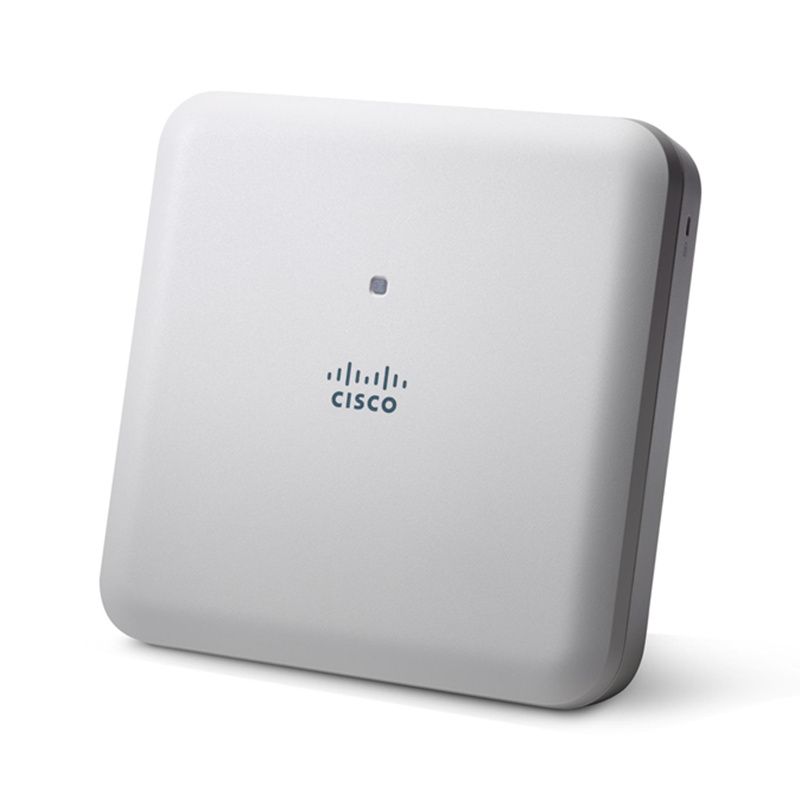
AIR-AP1832I-Z-K9C Cisco 1832i 802.11ac Wave 2 Mobility Express AP
AIR-AP1832I-Z-K9C is a Cisco Aironet 1832i integrated-antenna 802.11ac Wave 2 access point supplied as a single configurable K9C Mobility Express order for regulatory-domain token Z. Verify country approval, software role, power source, controller compatibility and the 30 April 2027 support cutoff before purchase.
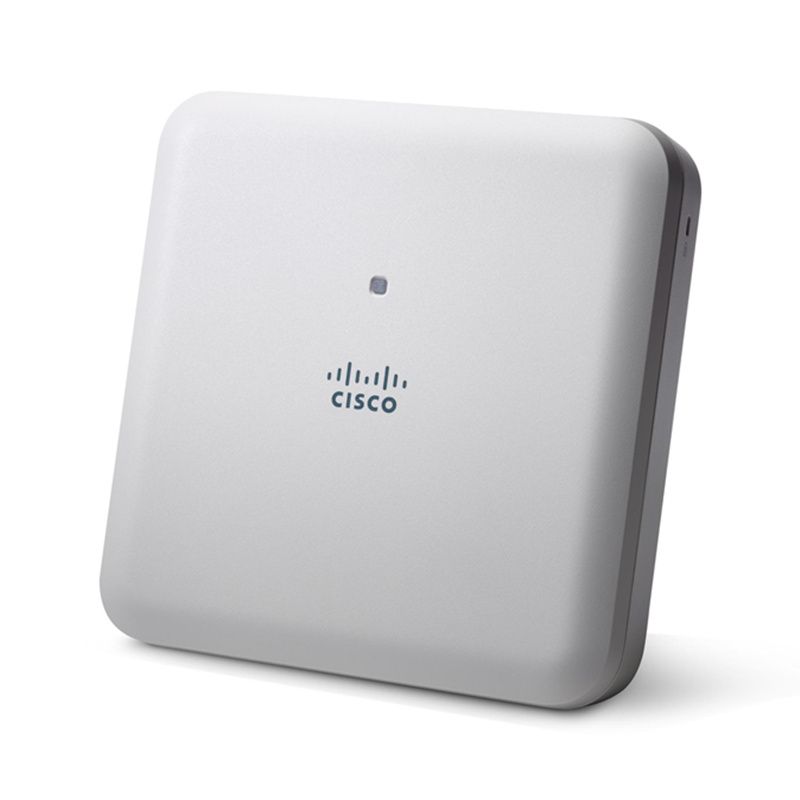
AIR-AP1832I-F-K9C Cisco 1832i Controller-based Mobility Express AP
AIR-AP1832I-F-K9C is a Cisco Aironet 1832i integrated-antenna 802.11ac Wave 2 access point supplied as a single configurable K9C Mobility Express order for regulatory-domain token F. Verify country approval, software role, power source, controller compatibility and the 30 April 2027 support cutoff before purchase.
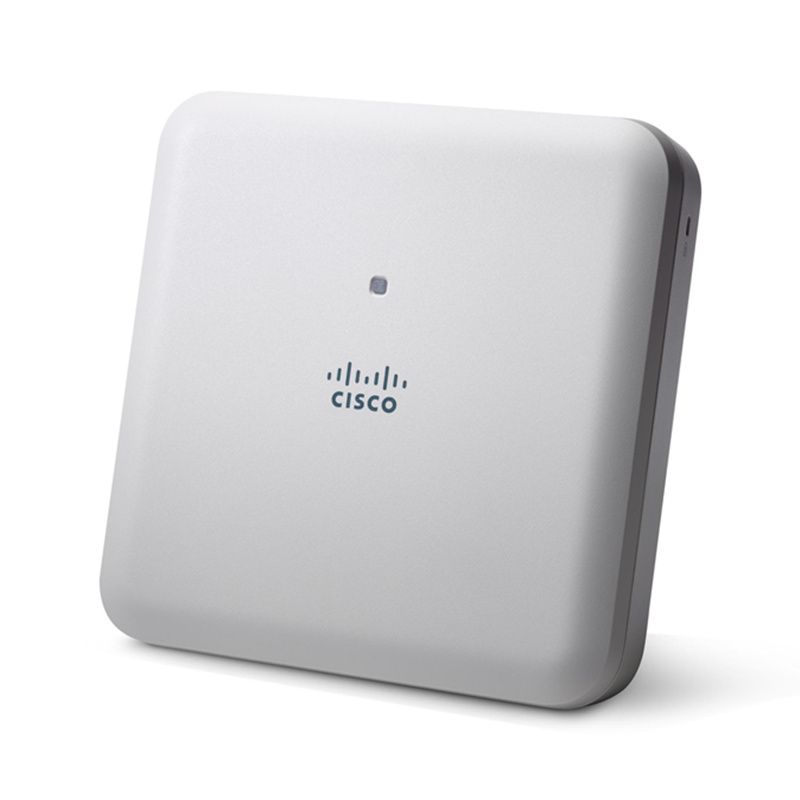
AIR-AP1832I-C-K9C Cisco Aironet 1832i 3x3 MIMO Mobility Express AP
AIR-AP1832I-C-K9C is a Cisco Aironet 1832i integrated-antenna 802.11ac Wave 2 access point supplied as a single configurable K9C Mobility Express order for regulatory-domain token C. Verify country approval, software role, power source, controller compatibility and the 30 April 2027 support cutoff before purchase.
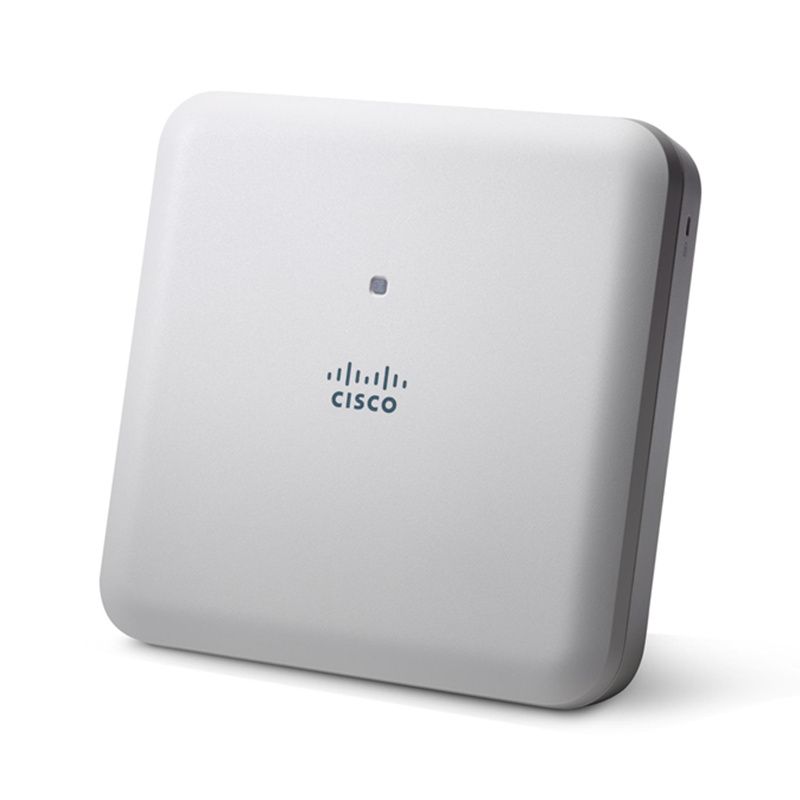
AIR-AP1832I-B-K9C Cisco Aironet 1832i WiFi 5 Mobility Express AP
AIR-AP1832I-B-K9C is a Cisco Aironet 1832i integrated-antenna 802.11ac Wave 2 access point supplied as a single configurable K9C Mobility Express order for regulatory-domain token B. Verify country approval, software role, power source, controller compatibility and the 30 April 2027 support cutoff before purchase.
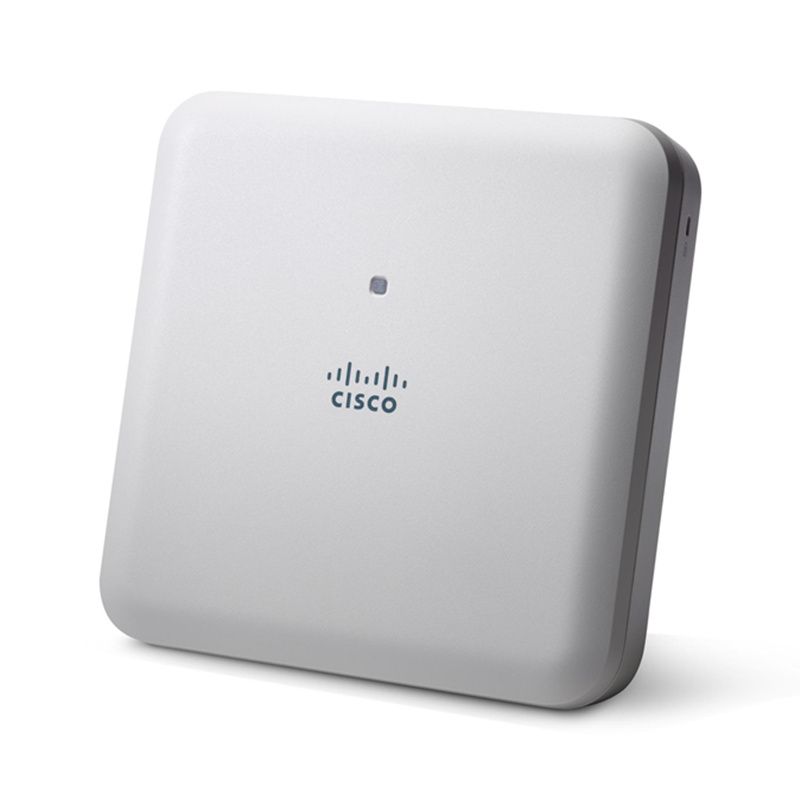
Cisco AIR-AP1832I-T-K9 Aironet Wireless Access Point
AIR-AP1832I-T-K9 is a Cisco Aironet 1832i integrated-antenna 802.11ac Wave 2 access point supplied as a single controller-based K9 order for regulatory-domain token T. Verify country approval, software role, power source, controller compatibility and the 30 April 2027 support cutoff before purchase.
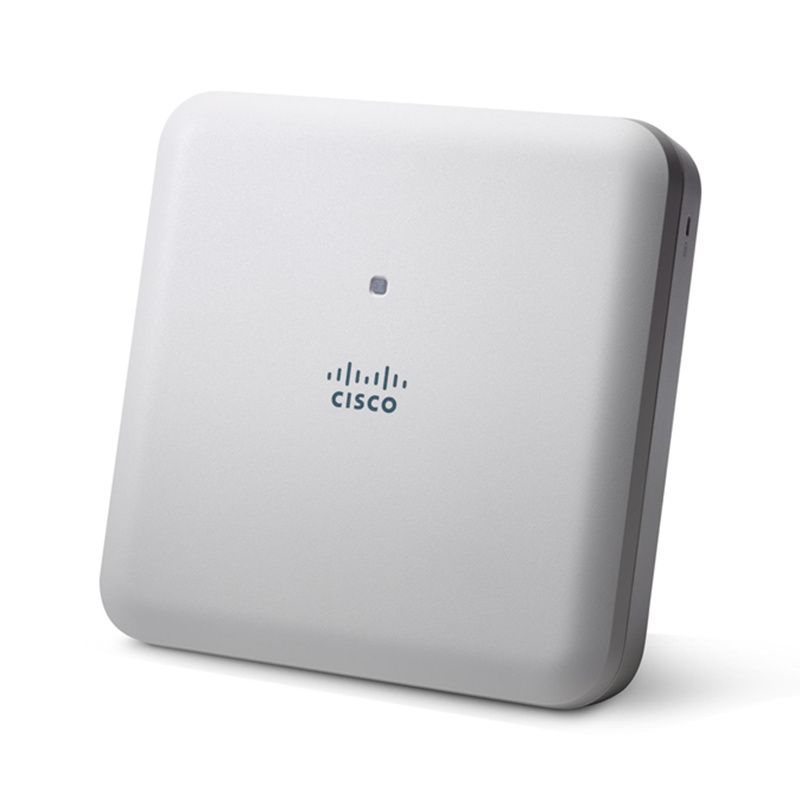
Cisco AIR-AP1832I-F-K9 Aironet Wireless Access Point
AIR-AP1832I-F-K9 is a Cisco Aironet 1832i integrated-antenna 802.11ac Wave 2 access point supplied as a single controller-based K9 order for regulatory-domain token F. Verify country approval, software role, power source, controller compatibility and the 30 April 2027 support cutoff before purchase.
Cisco AIR-AP1832I-H-K9 Aironet 1832i Controller-Based Access Point
AIR-AP1832I-H-K9 is the H regulatory-domain Cisco Aironet 1832i controller-based order. It is an indoor access point with internal antennas, dual-band 802.11ac Wave 2, 3x3 MIMO and two spatial streams.
Cisco AIR-AP1832I-H-K9C Aironet 1832i Mobility Express Access Point
AIR-AP1832I-H-K9C is the H regulatory-domain Cisco Aironet 1832i configurable order with the default Mobility Express software option. It is an indoor, internal-antenna 802.11ac Wave 2 access point with 3x3 MIMO and two spatial streams.