
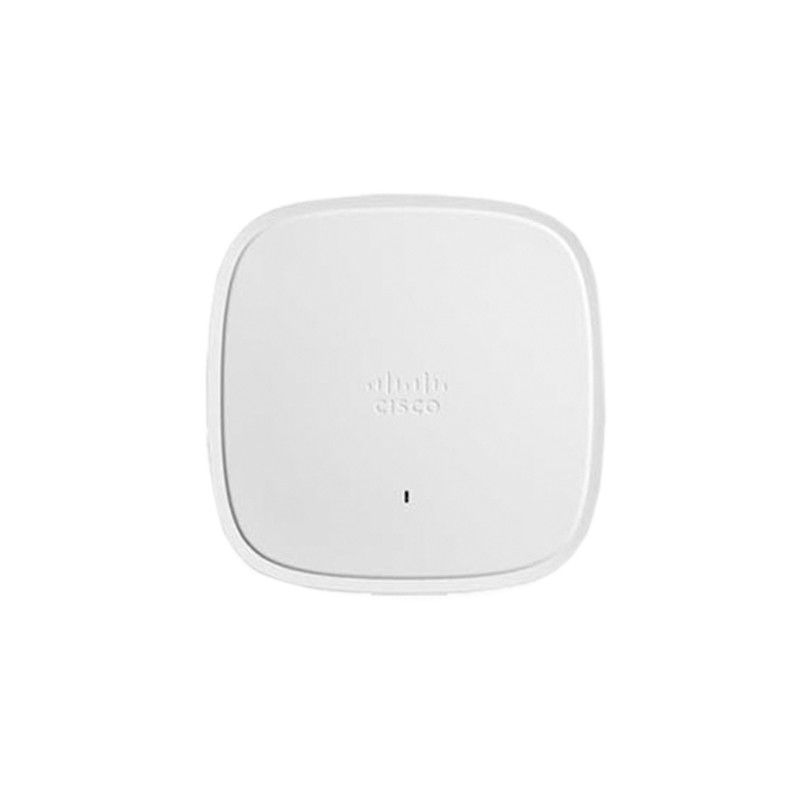
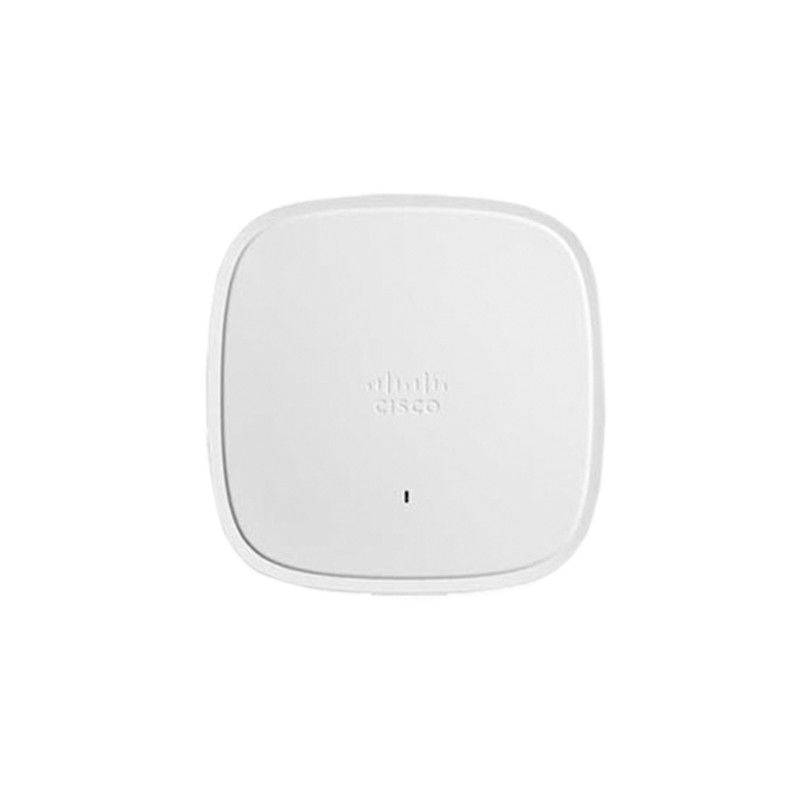
C9120AXP-B Cisco C9120AXP Indoor Professional Installation WiFi 6 APs

- 763 412 7282
- +86 010 69614620
C9120AXP-B Overview
C9120AXP-B exact order identity
C9120AXP-B is a Cisco Catalyst 9120AX Series professional-installation indoor Wi-Fi 6 access point with external antennas. The exact PID combines the P antenna form, a controller-based access-point order and regulatory-domain token B.
Antenna and installation boundary
Cisco specifies four external dual-band RP-TNC connectors, a four-port Smart Antenna DART connector and support for Self-Identifying Antennas. Antennas are sold separately. Cisco certifies the 9120AXP up to 13 dBi on both bands with AIR-ANT2513P4M-N=; that published combination does not authorize an arbitrary high-gain antenna. Cisco requires external antennas to be connected before power is applied; an outdoor antenna installation also requires grounding before power.
Controller-image boundary
Cisco lists this PID without the EWC infix, so the order is the controller-based access-point form rather than an EWC software-image order. Record the target controller model and release. Cisco's getting-started guide requires AireOS 8.9.111.0 or later, or IOS XE 16.11.1b or later, for the 9120AX family.
B regulatory-domain evidence
Cisco uses the final PID letter as a regulatory-domain identifier and requires customers to verify approval for the country of use. The letter is not a country name. Match the B-domain carton label to the purchase line before serial assignment, then archive the dated compliance lookup.
Build the B-domain record around quotation-to-asset traceability. Preserve the authorized line, received label, chassis serial, assigned site and reviewer as one chain. If the controller later moves to another country configuration, open a new approval event rather than overwriting the original evidence; the history should explain both the purchased identity and every deployment decision.
Power and wired-uplink boundary
The family has one 100/1000/2500 Multigigabit Ethernet uplink. Cisco lists full 4x4 radio operation, 2.5-Gigabit Ethernet and USB with 802.3at; under 802.3af both radios reduce to 1x1, Ethernet reduces to 1 GbE and USB is disabled.
External controller decision
This PID does not carry the EWC software-image infix. Record the production controller and supported software release, and verify the live compatibility matrix before an upgrade or substitution.
Deployment evidence worksheet
Quotation substitution gate
Compare antenna form, regulatory token, configuration suffix, pack quantity and complete Cisco part number on the authorized quotation. Treat any changed token as a substitution that requires a new technical and regulatory review. Procurement should not accept a different access-point order merely because the family name matches. Preserve the approved line, received label and exception decision so the final asset can be traced to the exact order reviewed here. A different antenna form, EWC state or regulatory token is a different 9120AX order and requires a new technical acceptance decision.
Controlled spare policy
If purchased as a spare, name the protected site population, compatible controller image, storage location, storage conditions and periodic power-on test. Confirm that regulatory token, antenna architecture and mounting parts match the population it protects. Set a final-use review date. A stored unit can become unsuitable while untouched because controller software, country approval, certificates or network architecture may change. A stored 9120AX spare should be periodically tested for controller join, negotiated PoE state and the antenna or mounting dependencies it protects.
Roaming acceptance
Define the neighboring access points and client types used for roaming validation. Record handoff behavior, interruption observed, authentication result and controller events along the intended movement path. Compare the outcome with the site's design target rather than declaring success from static association. Where this unit replaces an older AP, test both entry and exit from its cell so a local improvement does not hide a boundary problem. Roaming evidence should identify the neighboring cells, client type and flexible-radio mode instead of relying on a static association test.
Capacity observation
Define the expected concurrent clients, application mix, airtime utilization and channel-width assumptions for this location. After commissioning, capture radio utilization, retry behavior and representative throughput during a meaningful load period. Compare the observation with the survey design and state any shortfall. A peak link rate from a data sheet is not a site capacity result and should not replace measured operating evidence. Capacity acceptance should use observed clients, channel width, airtime and retries rather than the family's maximum over-the-air rate.
Interference baseline
Preserve the pre-install and post-install noise, neighboring-radio and channel-occupancy observations for the selected location. Record any controller-driven channel change during acceptance. If the regulatory profile limits the channel choices, state how that constraint affected reuse and mitigation. This baseline gives future troubleshooting a reference point and prevents an unrelated interference change from being attributed to the hardware order. Preserve the exact enabled-channel export because the regulatory token and destination approval control the usable spectrum.
Replacement dependency map
Map this unit to controller, licenses, authentication services, switch power, cable, bracket, antenna design and monitoring objects. For an end-of-sale platform, state which dependencies can be reused by the planned Catalyst migration and which require change. A nominal access-point replacement can fail when the surrounding platform was never inventoried. Keep the map with the asset rather than only in a one-time project file. For EWC orders, record the 17.15.x support ceiling and a CAPWAP conversion decision; for non-EWC orders, record the external controller lifecycle.
Fault-domain separation
Build the acceptance record so power, wired link, controller join, radio state, authentication and application reachability can be reviewed independently. Preserve timestamps and device identifiers across switch and controller logs. When a test fails, identify the failing boundary before replacing hardware. This avoids classifying a cable, policy or controller problem as an access-point defect and creates evidence that can be reused during support escalation. Use controller, switch and client timestamps to separate PoE reduction, CAPWAP discovery, RF conditions and authentication failures.
Operational log retention
Store the initial controller events, switch-port state, radio assignment, channel list and client test results with a consistent asset identifier. Define how long commissioning evidence is retained and who can retrieve it. A later firmware, controller or RF change should add a new dated observation rather than overwrite the original. The resulting history supports lifecycle decisions and distinguishes a new regression from the accepted baseline. The accepted baseline should include controller join, power mode, Ethernet rate, radio mode, domain evidence and representative client tests.
Related Catalyst 9120 order records
- C9120AXI-EWC-B - compare antenna form and domain evidence.
- C9120AXE-B - compare antenna form and domain evidence.
- C9120AXI-B - compare antenna form and domain evidence.
Official evidence: Cisco Catalyst 9120AX data sheet; Cisco Catalyst 9120AX getting-started guide; Cisco wireless compliance tool.
C9120AXP-B Specification
| Exact model / SKU | C9120AXP-B |
| Exact Cisco PID | C9120AXP-B |
| Product family | Cisco Catalyst 9120AX Series |
| Wireless generation | Dual-band 802.11ax (Wi-Fi 6), four spatial streams |
| Antenna form | External antenna model for professional indoor installation |
| Published antenna boundary | Four dual-band RP-TNC ports; up to 13 dBi with AIR-ANT2513P4M-N= |
| Software order form | Controller-based access point |
| Published controller baseline | AireOS 8.9.111.0 or later, or IOS XE 16.11.1b or later |
| Regulatory-domain token | B |
| Country approval | Verify the exact domain for the country of use with Cisco's compliance tool |
| Wired interface | One 100/1000/2500 Multigigabit Ethernet uplink |
| 802.3af reduced state | Both radios 1x1; Ethernet 1 GbE; USB disabled |
| Installation scope | External antennas must be connected before power; ground the AP when the antenna is outdoors |
| Source match | C9120AXP-B: 9120AXP, controller-based access-point order, regulatory-domain token B |
| Official manufacturer reference | Cisco Catalyst 9120AX official data sheet |
C9120AXP-B Warranty
 | Product Quotation |  | Condition and Packaging |
 | Technical Support Enquiry |  | Returns and Replacement |
 | Shipping Arrangements |  | Warranty Terms |
C9120AXP-B FAQ
What is C9120AXP-B?
C9120AXP-B Cisco C9120AXP Indoor Professional Installation WiFi 6 APs is a CISCO Catalyst 9120 Series Access Points product supplied by YYST Global for enterprise IT procurement and infrastructure projects.
What wireless generation is listed for C9120AXP-B?
For C9120AXP-B, the manufacturer specification lists wireless generation as Dual-band 802.11ax (Wi-Fi 6), four spatial streams.
What antenna form is listed for C9120AXP-B?
For C9120AXP-B, the manufacturer specification lists antenna form as External antenna model for professional indoor installation.
What published antenna boundary is listed for C9120AXP-B?
For C9120AXP-B, the manufacturer specification lists published antenna boundary as Four dual-band RP-TNC ports; up to 13 dBi with AIR-ANT2513P4M-N=.
Is C9120AXP-B available from YYST Global?
Contact YYST Global to confirm availability for C9120AXP-B, the required quantity, exact configuration, delivery destination and current lead time before ordering. A product listing does not confirm current inventory.
Related products
Related C9120AXP-B
C9120AXP-T Cisco 9120AX Indoor Professionally Installed Enterprise AP
C9120AXP-T is a Cisco Catalyst 9120AX professional-installation indoor Wi-Fi 6 access point with external antennas supplied as a controller-based access-point order for regulatory-domain token T. Verify country approval, controller release, PoE state, external antenna design and the external controller lifecycle before purchase.
C9120AXP-G Cisco Catalyst 9120 WiFi 6 Access Point with 4x4 MIMO
C9120AXP-G is a Cisco Catalyst 9120AX professional-installation indoor Wi-Fi 6 access point with external antennas supplied as a controller-based access-point order for regulatory-domain token G. Verify country approval, controller release, PoE state, external antenna design and the external controller lifecycle before purchase.
C9120AXP-EWC-S Cisco Catalyst 9120 Indoor WiFi 6 Access Point 4x4 MIMO
C9120AXP-EWC-S is a Cisco Catalyst 9120AX professional-installation indoor Wi-Fi 6 access point with external antennas supplied as a access-point order carrying the Embedded Wireless Controller software image for regulatory-domain token S. Verify country approval, controller release, PoE state, external antenna design and the EWC lifecycle or CAPWAP conversion plan before purchase.
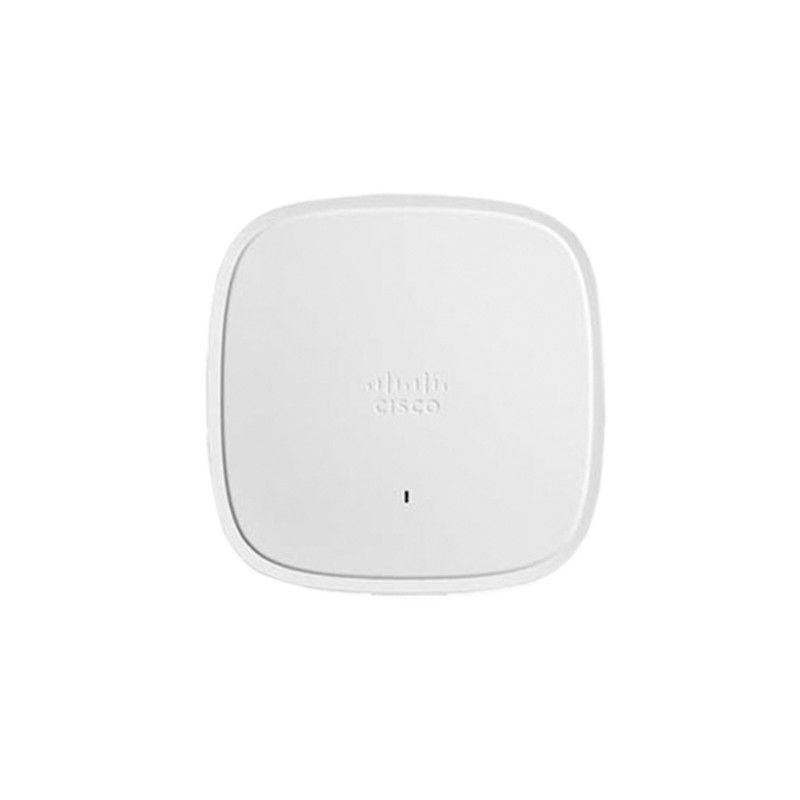
C9120AXP-EWC-Q Cisco Catalyst 9120 Indoor WiFi 6 Access Point with EWC
C9120AXP-EWC-Q is a Cisco Catalyst 9120AX professional-installation indoor Wi-Fi 6 access point with external antennas supplied as a access-point order carrying the Embedded Wireless Controller software image for regulatory-domain token Q. Verify country approval, controller release, PoE state, external antenna design and the EWC lifecycle or CAPWAP conversion plan before purchase.
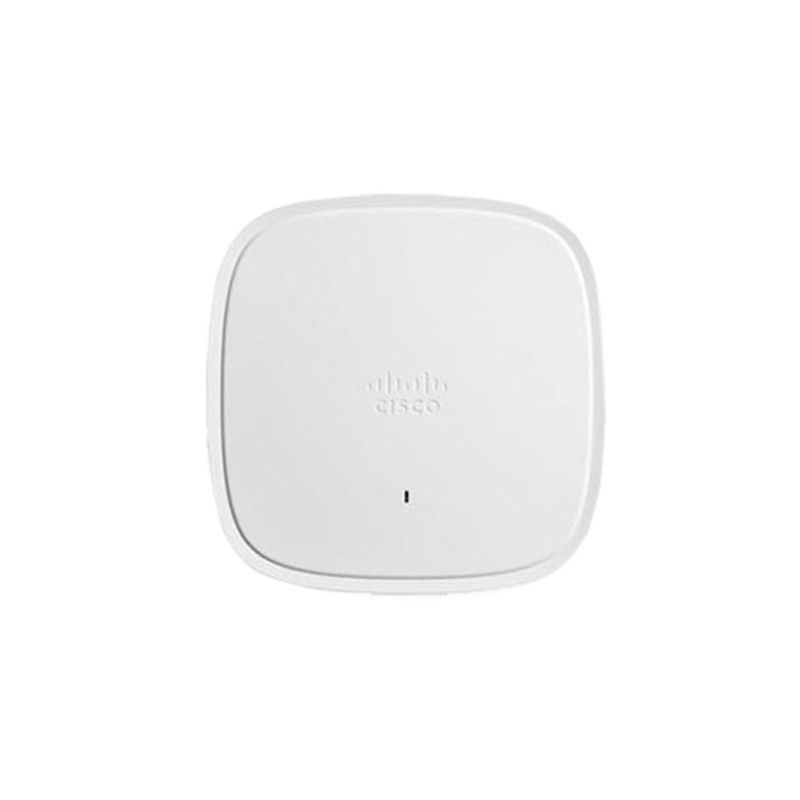
C9120AXP-EWC-K Cisco Catalyst 9120 Indoor Professionally Installed AP
C9120AXP-EWC-K is a Cisco Catalyst 9120AX professional-installation indoor Wi-Fi 6 access point with external antennas supplied as a access-point order carrying the Embedded Wireless Controller software image for regulatory-domain token K. Verify country approval, controller release, PoE state, external antenna design and the EWC lifecycle or CAPWAP conversion plan before purchase.
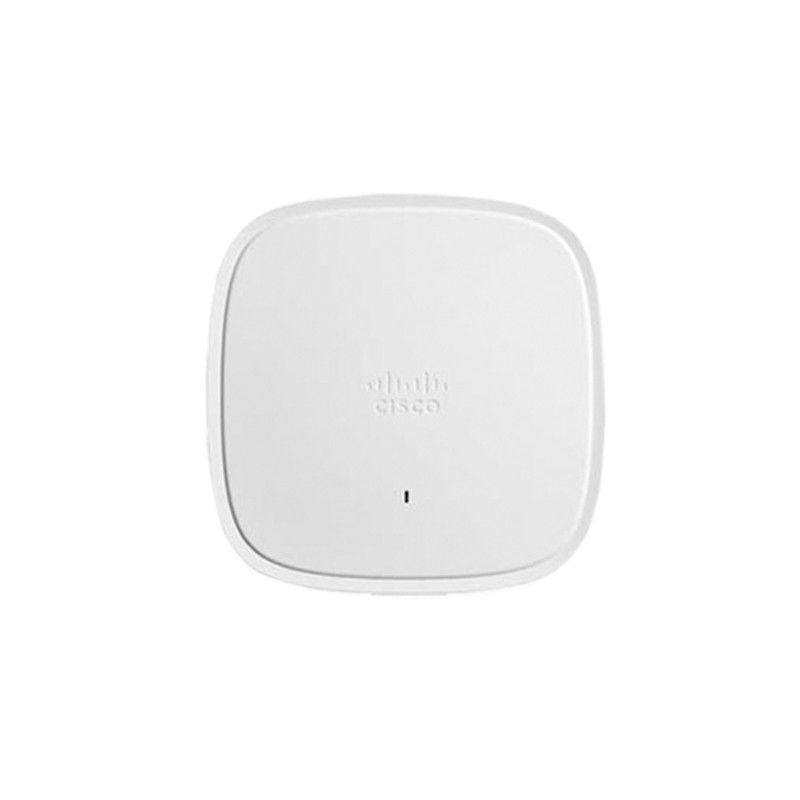
C9120AXP-EWC-I Cisco Catalyst 9120AXP Dual-band WiFi 6 AP with EWC
C9120AXP-EWC-I is a Cisco Catalyst 9120AX professional-installation indoor Wi-Fi 6 access point with external antennas supplied as a access-point order carrying the Embedded Wireless Controller software image for regulatory-domain token I. Verify country approval, controller release, PoE state, external antenna design and the EWC lifecycle or CAPWAP conversion plan before purchase.
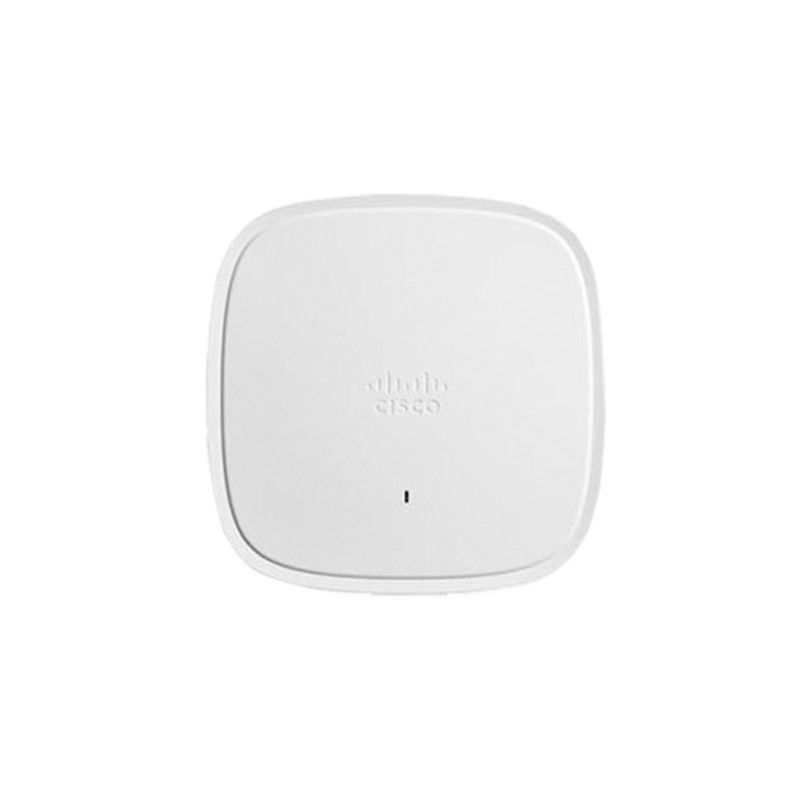
Cisco C9120AXP-A Professional-Installation Wi-Fi 6 Access Point
C9120AXP-A is the professional-installation 9120AXP Wi-Fi 6 access point with external antennas, not an internal-antenna AXI unit. Cisco specifies indoor installation and antenna selection subject to the regulatory domain.
C9120AXP-EWC-A Cisco Catalyst 9120AXP Series WiFi 6 Access Points
C9120AXP-EWC-A is a Cisco Catalyst 9120AX professional-installation indoor Wi-Fi 6 access point with external antennas supplied as a access-point order carrying the Embedded Wireless Controller software image for regulatory-domain token A. Verify country approval, controller release, PoE state, external antenna design and the EWC lifecycle or CAPWAP conversion plan before purchase.