AIR-AP3802E-B-K9 Cisco Aironet 3800e Dual-band 802.11a/g/n/ac AP
AIR-AP3802E-B-K9AIR-AP3802E-B-K9 Cisco Aironet 3800e Dual-band 802.11a/g/n/ac AP

- 763 412 7282
- +86 010 82830816
AIR-AP3802E-B-K9 Overview
The Cisco® Aironet® 3800 Series Wi-Fi access points are highly versatile and deliver the most functionality of any access points in the industry.
The Cisco Aironet 3800 Series Wi-Fi access points provide 802.11ac Wave 2 with Multi User MIMO (MU MIMO). This AP series offers integrated and external antenna options, with a dedicated 5 GHz radio and a flexible radio that can be configured as a 2.4 GHz radio (default) or as an additional 5 GHz radio.
This access point supports a greater overall High Density Experience (HDX) which provides mission-critical wireless to meet your performance needs. The access points support full interoperability with leading 802.11ac clients, and support a mixed deployment with other access points and controllers.
Face of the 3802E and 3802P Models
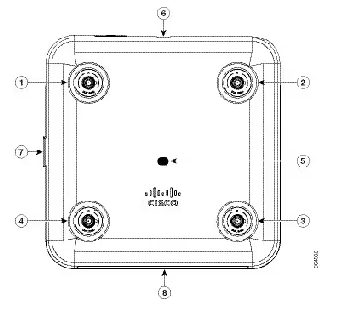
Location of the Smart antenna connector port on the right side of the AP | |||
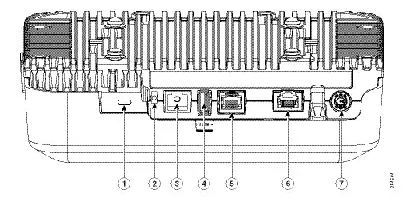
Ports and Connections on the Head of the AP
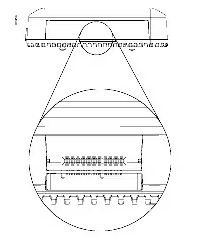
AP Module Connector Port on the Base
Smart Antenna Connector on the Right Side of the 3802E Models

Smart Antenna Connector 3802E Model
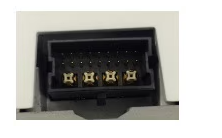
What is a Smart Antenna connector?
The Cisco Aironet AP‐3802E contains a SMART antenna connector, which is connected directly to the flexible radio. Without aSmart antenna, the flexible radio muststay in 2.4GHz only mode. Once a Smart a ntenna is connected, the flexible radio can be used in the full flexible radio Assignment mode, allowing dual 5–GHz, wireless security monitoring, and future modes.
The Smart antenna connector can be used to connect to AIR‐CAB002‐DART‐R= which allow any RP‐TNC based Aironet antenna to connect to theSmart Antenna port. In addition, futureSmart Antennas will be released at future times.
What is the Extension module slot used for?
The module slot on the AP 3802I, AP 3802E, and AP 3802P can be used to insert future modules.
Some of the proposed modules are:
• 3G and LTE Small Cell Offload
• Bluetooth Beaconing (BLE)
• Future Wi-Fi upgrades to meet new IEEE standards
• Video Surveillance
• Custom Applications using Linux
AIR-AP3802E-B-K9 Specification
| Part numbers | Cisco Aironet 3800e Access Point Configurable: Indoor, challenging environments, with external antennas | ||||||
| ● AIR-AP3802e- x-K9: Dual-band controller-based 802.11a/b/g/n/ac | |||||||
| Cisco Smart Net Total Care for the Cisco Aironet 3800e Access Point with external antennas | |||||||
| ● CON-SNT-AIRPID38E: SNTC-8X5XNBD 802.11ac Ctrlr AP 4x4:3SS w/ CleanAir; Ex Duration: 12 Month(s) | |||||||
| Regulatory domains: (x = regulatory domain) | |||||||
| Customers are responsible for verifying approval for use in their individual countries. To verify approval, and to identify the regulatory domain that corresponds to a particular country. | |||||||
| Not all regulatory domains have been approved. As they are approved, the part numbers will be available on the Global Price List. | |||||||
| Cisco Wireless LAN Services | |||||||
| ● AS-WLAN-CNSLT: Cisco Wireless LAN Network Planning and Design Service | |||||||
| ● AS-WLAN-CNSLT: Cisco Wireless LAN 802.11n Migration Service | |||||||
| ● AS-WLAN-CNSLT: Cisco Wireless LAN Performance and Security Assessment Service | |||||||
| Software and supported wireless LAN controllers | ● Cisco Unified Wireless Network Software Release 8.2.111.0 or later | ||||||
| ● Cisco IOS ® XE Software Release 16.3 | |||||||
| ● Cisco 2500 Series Wireless Controllers, Cisco 3500 Series Wireless Controllers, Cisco Wireless Controller Module for ISR G2, Cisco Wireless Services Module 2 (WiSM2) for Catalyst ® 6500 Series Switches, Cisco 5500 Series Wireless Controllers, Cisco Flex ® 7500 Series Wireless Controllers, Cisco 8500 Series Wireless Controllers, Cisco 9800 Series Wireless Controllers, Cisco Virtual Wireless Controller | |||||||
| ● Cisco Catalyst 3850 Series and 3650 Series Switches | |||||||
| ● Cisco Mobility Express | |||||||
| 802.11n version 2.0 (and related) capabilities | ● 4x4 MIMO with three spatial streams | ||||||
| ● Maximal Ratio Combining (MRC) | |||||||
| ● 802.11n and 802.11a/g beamforming | |||||||
| ● 20- and 40-MHz channels | |||||||
| ● PHY data rates up to 450 Mbps (40 MHz with 5 GHz) | |||||||
| ● Packet aggregation: A-MPDU (Tx/Rx), A-MSDU (Tx/Rx) | |||||||
| ● 802.11 Dynamic Frequency Selection (DFS) | |||||||
| ● Cyclic Shift Diversity (CSD) support | |||||||
| 802.11ac Wave 1 capabilities | ● 4x4 MIMO with three spatial streams | ||||||
| ● MRC | |||||||
| ● 802.11ac beamforming | |||||||
| ● 20-, 40-, and 80-MHz channels | |||||||
| ● PHY data rates up to 1.3 Gbps (80 MHz in 5 GHz) | |||||||
| ● Packet aggregation: A-MPDU (Tx/Rx), A-MSDU (Tx/Rx) | |||||||
| ● 802.11 DFS | |||||||
| ● CSD support | |||||||
| 802.11ac Wave 2 capabilities | ● 4x4 MU-MIMO with three spatial streams | ||||||
| ● MRC | |||||||
| ● 802.11ac beamforming | |||||||
| ● 20-, 40-, 80, 160-MHz channels | |||||||
| ● PHY data rates up to 5.2 Gbps | |||||||
| ● Packet aggregation: A-MPDU (Tx/Rx), A-MSDU (Tx/Rx) | |||||||
| ● 802.11 DFS | |||||||
| ● CSD support | |||||||
| Wi-Fi Alliance Certified | ● Wi-Fi Certified a, b, g, n, ac | ||||||
| ● Wi-Fi Vantage | |||||||
| ● WMM | |||||||
| ● Passpoint | |||||||
| Integrated antenna | Flexible radio (either 2.4 GHz or 5 GHz) | ||||||
| ● 2.4 GHz, gain 4 dBi, internal antenna, omnidirectional in azimuth | |||||||
| ● 5 GHz, gain 6 dBi, internal directional antenna, elevation plane beamwidth 90° | |||||||
| Dedicated 5-GHz radio | |||||||
| ● 5 GHz, gain 5 dBi, internal antenna, omnidirectional in azimuth | |||||||
| External antenna (sold separately) | ● 3802e Series access points are certified for use with antenna gains up to 6 dBi (2.4 GHz and 5 GHz) | ||||||
| ● Cisco offers the industry's broadest selection of antennas, delivering optimal coverage for a variety of deployment scenarios | |||||||
| Smart antenna connector | ● Available on the 3802e Series and 3802p Series access points only | ||||||
| ● Requires the AIR-CAB002-DART-R= 2 ft smart antenna connector to RP-TNC connectors to connect a second antenna to the access point | |||||||
| ● Required when running the flexible radio as either a: | |||||||
| ◦ Second 5-GHz serving radio | |||||||
| ◦ Wireless Security Monitoring radio | |||||||
| Interfaces | ● 2 Ethernet ports | ||||||
| ● 100/1000/2500/5000 Multigigabit Ethernet (RJ-45) – IEEE 802.3bz | |||||||
| ◦ CAT 5e cabling | |||||||
| ◦ Higher-quality 10GBASE-T (CAT 6/6a) cabling | |||||||
| ● 100/1000BASE-T autosensing (RJ-45 - AUX port) | |||||||
| ● Management console port (RJ-45) | |||||||
| Indicators | ● Status LED indicates boot loader status, association status, operating status, boot loader warnings, boot loader errors | ||||||
| Dimensions (W x L x H) | ● Access point (without mounting brackets):3802E: 8.66 x 8.68 x 2.62 in. (22 x 22 x 6.7 cm) | ||||||
| Weight | ● 4.6 lb (2.09 kg) | ||||||
| Input power requirements | ● 802.3at PoE+, Cisco Universal Power over Ethernet (Cisco UPOE ®) | ||||||
| ● 802.3at power injector (AIR-PWRINJ6=) | |||||||
| ● 50W power supply (AIR-PWR-50=) | |||||||
| Power draw | ● 25.8W at the PSE (22.5W at the PD) with all features enabled except for the USB 2.0 port | ||||||
| ● 30W at the PSE (25.5W at the PD) with the USB 2.0 port enabled | |||||||
| Environmental | Cisco Aironet 3800e | ||||||
| ● Nonoperating (storage) temperature: -22° to 158°F (-30° to 70°C) | |||||||
| ● Nonoperating (storage) altitude test: 25˚C, 15,000 ft. | |||||||
| ● Operating temperature: -4° to 122°F (-20° to 50°C) | |||||||
| ● Operating humidity: 10% to 90% (noncondensing) | |||||||
| ● Operating altitude test: 40˚C, 9843 ft. | |||||||
| System memory | ● 1024 MB DRAM | ||||||
| ● 256 MB flash | |||||||
| Available transmit power settings | 2.4 GHz | 5 GHz | |||||
| ● 23 dBm (200 mW) | ● 23 dBm (200 mW) | ||||||
| ● 20 dBm (100 mW) | ● 20 dBm (100 mW) | ||||||
| ● 17 dBm (50 mW) | ● 17 dBm (50 mW) | ||||||
| ● 14 dBm (25 mW) | ● 14 dBm (25 mW) | ||||||
| ● 11 dBm (12.5 mW) | ● 11 dBm (12.5 mW) | ||||||
| ● 8 dBm (6.25 mW) | ● 8 dBm (6.25 mW) | ||||||
| ● 5 dBm (3.13 mW) | ● 5 dBm (3.13 mW) | ||||||
| ● 2 dBm (1.56 mW) | ● 2 dBm (1.56 mW) | ||||||
| Frequency band and 20-MHz operating channels | A (A regulatory domain): | I (I regulatory domain): | |||||
| ● 2.412 to 2.462 GHz; 11 channels | ● 2.412 to 2.472 GHz; 13 channels | ||||||
| ● 5.180 to 5.320 GHz; 8 channels | ● 5.180 to 5.320 GHz; 8 channels | ||||||
| ● 5.500 to 5.700 GHz; 8 channels | K (K regulatory domain): | ||||||
| (excludes 5.600 to 5.640 GHz) | ● 2.412 to 2.472 GHz; 13 channels | ||||||
| ● 5.745 to 5.825 GHz; 5 channels | ● 5.180 to 5.320 GHz; 8 channels | ||||||
| B (B regulatory domain): | ● 5.500 to 5.620 GHz; 7 channels | ||||||
| ● 2.412 to 2.462 GHz; 11 channels | ● 5.745 to 5.805 GHz; 4 channels | ||||||
| ● 5.180 to 5.320 GHz; 8 channels | N (N regulatory domain): | ||||||
| ● 5.500 to 5.720 GHz; 12 channels | ● 2.412 to 2.462 GHz; 11 channels | ||||||
| ● 5.745 to 5.825 GHz; 5 channels | ● 5.180 to 5.320 GHz; 8 channels | ||||||
| C (C regulatory domain): | ● 5.745 to 5.825 GHz; 5 channels | ||||||
| ● 2.412 to 2.472 GHz; 13 channels | Q (Q regulatory domain): | ||||||
| ● 5.745 to 5.825 GHz; 5 channels | ● 2.412 to 2.472 GHz; 13 channels | ||||||
| D (D regulatory domain): | ● 5.180 to 5.320 GHz; 8 channels | ||||||
| ● 2.412 to 2.462 GHz; 11 channels | ● 5.500 to 5.700 GHz; 11 channels | ||||||
| ● 5.180 to 5.320 GHz; 8 channels | R (R regulatory domain): | ||||||
| ● 5.745 to 5.825 GHz; 5 channels | ● 2.412 to 2.472 GHz; 13 channels | ||||||
| E (E regulatory domain): | ● 5.180 to 5.320 GHz; 8 channels | ||||||
| ● 2.412 to 2.472 GHz; 13 channels | ● 5.660 to 5.700 GHz; 3 channels | ||||||
| ● 5.180 to 5.320 GHz; 8 channels | ● 5.745 to 5.805 GHZ; 4 channels | ||||||
| ● 5.500 to 5.700 GHz; 8 channels | S (S regulatory domain): | ||||||
| (excludes 5.600 to 5.640 GHz) | ● 2.412 to 2.472 GHz; 13 channels | ||||||
| F (F regulatory domain): | ● 5.180 to 5.320 GHz; 8 channels | ||||||
| ● 2.412 to 2.472 GHz; 13 channels | ● 5.500 to 5.700 GHz;, 11 channels | ||||||
| ● 5.250 to 5.350 GHz; 4 channels | ● 5.745 to 5.825 GHz; 5 channels | ||||||
| ● 5.725 to 5.825 GHz; 4 channels | T (T regulatory domain): | ||||||
| G (G regulatory domain): | ● 2.412 to 2.462 GHz; 11 channels | ||||||
| ● 2.412 to 2.472 GHz; 13 channels | ● 5.280 to 5.320 GHz; 3 channels | ||||||
| ● 5.745 to 5.825 GHz; 5 channels | ● 5.500 to 5.700 GHz; 8 channels | ||||||
| H (H regulatory domain): | (excludes 5.600 to 5.640 GHz) | ||||||
| ● 2.412 to 2.472 GHz; 13 channels | ● 5.745 to 5.825 GHz; 5 channels | ||||||
| ● 5.150 to 5.320 GHz; 8 channels | Z (Z regulatory domain): | ||||||
| ● 5.745 to 5.825 GHz; 5 channels | ● 2.412 to 2.462 GHz; 11 channels | ||||||
| ● 5.180 to 5.320 GHz; 8 channels | |||||||
| ● 5.500 to 5.700 GHz; 8 channels | |||||||
| (excludes 5.600 to 5.640 GHz) | |||||||
| ● 5.745 to 5.825 GHz; 5 channels | |||||||
| Note: Customers are responsible for verifying approval for use in their individual countries. To verify approval and to identify the regulatory domain that corresponds to a particular country. | |||||||
| Maximum number of nonoverlapping channels | 2.4 GHz | 5 GHz | |||||
| ● 802.11b/g: | ● 802.11a: | ||||||
| ◦ 20 MHz: 3 | ◦ 20 MHz: 25 FCC, 16 EU | ||||||
| ● 802.11n: | ● 802.11n: | ||||||
| ◦ 20 MHz: 3 | ◦ 20 MHz: 25 FCC, 16 EU | ||||||
| ◦ 40 MHz: 12 FCC, 7 EU | |||||||
| ● 802.11ac: | |||||||
| ◦ 20 MHz: 25 FCC, 16 EU | |||||||
| ◦ 40 MHz: 12 FCC, 7 EU | |||||||
| ◦ 80 MHz: 6 FCC, 3 EU | |||||||
| ◦ 160 MHz 2 FCC, 1 EU | |||||||
| Note: This varies by regulatory domain. Refer to the product documentation for specific details for each regulatory domain. | |||||||
| Compliance standards | ◦ UL 60950-1 | ||||||
| ◦ CAN/CSA-C22.2 No. 60950-1 | |||||||
| ◦ UL 2043 | |||||||
| ◦ IEC 60950-1 | |||||||
| ◦ EN 60950-1 | |||||||
| ◦ EN 50155 for 3800e (Operating temperature -20° to 50°C) | |||||||
| ● Radio approvals: | |||||||
| ◦ FCC Part 15.107, 15.109, 15.247, 15.407, 14-30 | |||||||
| ◦ RSS-247 (Canada) | |||||||
| ◦ EN 300.328, EN 301.893 (Europe) | |||||||
| ◦ ARIB-STD 66 (Japan) | |||||||
| ◦ ARIB-STD T71 (Japan) | |||||||
| ◦ EMI and susceptibility (Class B) | |||||||
| ◦ ICES-003 (Canada) | |||||||
| ◦ VCCI (Japan) | |||||||
| ◦ EN 301.489-1 and -17 (Europe) | |||||||
| ◦ EN 60601-1-2 EMC requirements for the Medical Directive 93/42/EEC | |||||||
| ● IEEE standards: | |||||||
| ◦ IEEE 802.11a/b/g, 802.11n, 802.11h, 802.11d, 802.11r, 802.11k, 802.11v, 802,11u, 802.11w | |||||||
| ◦ IEEE 802.11ac | |||||||
| ● Security: | |||||||
| ◦ 802.11i, Wi-Fi Protected Access 3 (WPA3), WPA2, WPA | |||||||
| ◦ 802.1X | |||||||
| ◦ Advanced Encryption Standards (AES), Temporal Key Integrity Protocol (TKIP) | |||||||
| ● Extensible Authentication Protocol (EAP) types: | |||||||
| ◦ EAP-Transport Layer Security (TLS) | |||||||
| ◦ EAP-Tunneled TLS (TTLS) or Microsoft Challenge Handshake Authentication Protocol Version 2 (MSCHAPv2) | |||||||
| ◦ Protected EAP (PEAP) v0 or EAP-MSCHAPv2 | |||||||
| ◦ EAP-Flexible Authentication via Secure Tunneling (FAST) | |||||||
| ◦ PEAP v1 or EAP-Generic Token Card (GTC) | |||||||
| ◦ EAP-Subscriber Identity Module (SIM) | |||||||
| ● Multimedia: | |||||||
| ◦ Wi-Fi Multimedia (WMM) | |||||||
| ● Other: | |||||||
| ◦ FCC Bulletin OET-65C | |||||||
| ◦ RSS-102 | |||||||
| Warranty | Limited lifetime hardware warranty | ||||||
| Data rates supported | 802.11b: 1, 2, 5.5, and 11 Mbps | ||||||
| 802.11a/g: 6, 9, 12, 18, 24, 36, 48, and 54 Mbps | |||||||
| 802.11n HT20: 6.5 to 216.7 Mbps (MCS0 to MCS23) | |||||||
| 802.11n HT40: 13.5 to 450 Mbps (MCS0 to MCS23) | |||||||
| 802.11ac VHT20: 6.5 to 288.9 Mbps (MCS0 to 8 – SS 1, MCS0 to 9 – SS 2 and 3) | |||||||
| 802.11ac VHT40: 13.5 to 600 Mbps (MCS0 to 9 – SS 1 to 3) | |||||||
| 802.11ac VHT80: 29.3 to 1300 Mbps (MCS0 to 9 – SS 1 to 3) | |||||||
| 802.11ac VHT160: 58.5 to 2304 Mbps (MCS0 to 9 – SS 1 and 2, MCS0 to 8 – SS 3) | |||||||
| Transmit power and receive sensitivity | |||||||
| 5-GHz radio | 2.4-GHz flexible radio | 5-GHz flexible radio | |||||
| Spatial streams | Total Tx power (dBm) | Rx sensitivity (dBm) | Total Tx power (dBm) | Rx sensitivity (dBm) | Total Tx power (dBm) | Rx sensitivity (dBm) | |
| 802.11/11b | |||||||
| 1 Mbps | 1 | NA | NA | 23 | -101 | NA | NA |
| 11 Mbps | 1 | NA | NA | 23 | -88 | NA | NA |
| 802.11a/g | |||||||
| 6 Mbps | 1 | 23 | -93 | 23 | -91 | 23 | -92 |
| 24 Mbps | 1 | 23 | -89 | 23 | -87 | 23 | -89 |
| 54 Mbps | 1 | 23 | -81 | 23 | -77 | 22 | -80 |
| 802.11n HT20 | |||||||
| MCS0 | 1 | 23 | -93 | 23 | -91 | 23 | -93 |
| MCS4 | 1 | 23 | -88 | 23 | -86 | 23 | -87 |
| MCS7 | 1 | 23 | -79 | 23 | -77 | 22 | -78 |
| MCS8 | 2 | 23 | -93 | 23 | -91 | 21 | -93 |
| MCS12 | 2 | 23 | -86 | 23 | -85 | 23 | -86 |
| MCS15 | 2 | 23 | -79 | 23 | -77 | 21 | -78 |
| MCS16 | 3 | 23 | -93 | 23 | -91 | 23 | -92 |
| MCS20 | 3 | 23 | -85 | 23 | -84 | 22 | -84 |
| MCS23 | 3 | 23 | -78 | 23 | -76 | 18 | -77 |
| 802.11n HT40 | |||||||
| MCS0 | 1 | 23 | -90 | 23 | -89 | ||
| MCS4 | 1 | 23 | -85 | 23 | -84 | ||
| MCS7 | 1 | 23 | -76 | 23 | -75 | ||
| MCS8 | 2 | 23 | -90 | 23 | -89 | ||
| MCS12 | 2 | 23 | -83 | 23 | -83 | ||
| MCS15 | 2 | 23 | -76 | 21 | -76 | ||
| MCS16 | 3 | 23 | -90 | 23 | -89 | ||
| MCS20 | 3 | 23 | -82 | 23 | -81 | ||
| MCS23 | 3 | 23 | -75 | 20 | -74 | ||
| 802.11ac VHT20 | |||||||
| MCS0 | 1 | 23 | -93 | 23 | -92 | ||
| MCS4 | 1 | 23 | -88 | 23 | -87 | ||
| MCS7 | 1 | 23 | -82 | 22 | -80 | ||
| MCS8 | 1 | 23 | -77 | 21 | -75 | ||
| MCS0 | 2 | 23 | -93 | 23 | -91 | ||
| MCS4 | 2 | 23 | -86 | 23 | -84 | ||
| MCS7 | 2 | 23 | -79 | 21 | -77 | ||
| MCS8 | 2 | 23 | -75 | 20 | -73 | ||
| MCS9 | 2 | NA | NA | NA | NA | ||
| MCS0 | 3 | 23 | -93 | 23 | -91 | ||
| MCS4 | 3 | 23 | -85 | 22 | -83 | ||
| MCS7 | 3 | 23 | -78 | 20 | -76 | ||
| MCS8 | 3 | 23 | -74 | 19 | -72 | ||
| MCS9 | 3 | 23 | -72 | 18 | -70 | ||
| 802.11ac VHT40 | |||||||
| MCS0 | 1 | 23 | -90 | 23 | -89 | ||
| MCS4 | 1 | 23 | -85 | 23 | -84 | ||
| MCS7 | 1 | 23 | -78 | 22 | -77 | ||
| MCS8 | 1 | 23 | -75 | 21 | -73 | ||
| MCS9 | 1 | 23 | -73 | 20 | -72 | ||
| MCS0 | 2 | 23 | -90 | 23 | -89 | ||
| MCS4 | 2 | 23 | -83 | 23 | -82 | ||
| MCS7 | 2 | 23 | -76 | 21 | -75 | ||
| MCS8 | 2 | 23 | -73 | 20 | -72 | ||
| MCS9 | 2 | 23 | -71 | 19 | -69 | ||
| MCS0 | 3 | 23 | -90 | 23 | -89 | ||
| MCS4 | 3 | 23 | -82 | 23 | -80 | ||
| MCS7 | 3 | 23 | -74 | 20 | -73 | ||
| MCS8 | 3 | 23 | -70 | 19 | -68 | ||
| MCS9 | 3 | 23 | -69 | 18 | -67 | ||
| 802.11ac VHT80 | |||||||
| MCS0 | 1 | 23 | -87 | 23 | -86 | ||
| MCS4 | 1 | 23 | -83 | 23 | -81 | ||
| MCS7 | 1 | 23 | -76 | 22 | -74 | ||
| MCS8 | 1 | 23 | -72 | 21 | -70 | ||
| MCS9 | 1 | 23 | -69 | 20 | -68 | ||
| MCS0 | 2 | 23 | -87 | 23 | -86 | ||
| MCS4 | 2 | 23 | -80 | 23 | -79 | ||
| MCS7 | 2 | 23 | -73 | 21 | -72 | ||
| MCS8 | 2 | 23 | -69 | 20 | -68 | ||
| MCS9 | 2 | 23 | -67 | 19 | -66 | ||
| MCS0 | 3 | 23 | -87 | 23 | -86 | ||
| MCS4 | 3 | 23 | -77 | 23 | -77 | ||
| MCS7 | 3 | 23 | -72 | 20 | -70 | ||
| MCS8 | 3 | 23 | -67 | 19 | -66 | ||
| MCS9 | 3 | 22 | -65 | 18 | -64 | ||
| 802.11ac VHT160 | |||||||
| MCS0 | 1 | 23 | -83 | 23 | -83 | ||
| MCS4 | 1 | 23 | -78 | 23 | -78 | ||
| MCS7 | 1 | 23 | -71 | 22 | -71 | ||
| MCS8 | 1 | 23 | -67 | 21 | -68 | ||
| MCS9 | 1 | 23 | -66 | 20 | -66 | ||
| MCS0 | 2 | 23 | -83 | 23 | -83 | ||
| MCS4 | 2 | 23 | -76 | 23 | -76 | ||
| MCS7 | 2 | 23 | -69 | 21 | -69 | ||
| MCS8 | 2 | 23 | -65 | 20 | -66 | ||
| MCS9 | 2 | 23 | -63 | 19 | -63 | ||
| MCS0 | 3 | 23 | -82 | 23 | -83 | ||
| MCS4 | 3 | 23 | -74 | 22 | -74 | ||
| MCS7 | 3 | 23 | -67 | 20 | -68 | ||
| MCS8 | 3 | 23 | -62 | 19 | -62 | ||
AIR-AP3802E-B-K9 Warranty
 | Low Price Guarantee |  | Quality Assurance |
 | Free CCIE Expert Technical Support |  | Commodity Refund Guarantee |
 | Diversified and Flexible Transportation Services |  | Standard Policy |
